By Bec Milligan.

Getting ready for an overseas trip is exciting, but with so much to organise it’s easy to let important details slip through the cracks. A solid travel abroad checklist keeps everything in order so you can focus on the good stuff.
Here’s exactly what to sort before you leave.
Start by digging out your passport and checking the expiry date. Most countries require at least six months of validity beyond your planned departure date, so don’t leave this until the week before you fly.
Next, look into visa requirements for your destination. Some countries are visa-free for Australian passport holders, while others require applications well in advance. Getting this sorted early eliminates any last-minute stress at the airport.
Travel comes with its share of surprises, from delayed flights to lost luggage to unexpected medical situations. A comprehensive travel insurance policy gives you financial protection and peace of mind when things don’t go to plan.
Read your policy carefully before you travel; check what’s covered, what’s excluded and whether there are any activity restrictions. And if you’re planning to ride a scooter overseas or set sail on a cruise, you’ll need to add the relevant pack to your policy. It’s a small detail that can save you a considerable headache later so get a quote now.

Book an appointment with your GP or a travel health clinic at least six weeks before departure. This gives you time to discuss destination-specific vaccinations, recommended medications and any relevant health risks.
If you take regular prescription medication, pack enough to cover the entire trip and carry your prescription separately. A letter from your doctor can also help smooth things over at customs, particularly if you’re carrying controlled substances or injectable medications.
Notify your bank before you travel so your card isn’t flagged for suspicious activity and frozen mid-trip. Research the best way to access money at your destination, whether that’s withdrawing from local ATMs, using a travel money card or carrying some local currency from home.
It’s also worth looking up average costs for transport and meals, as well as local tipping customs. Being financially prepared is one of the most practical things you can do before going abroad.
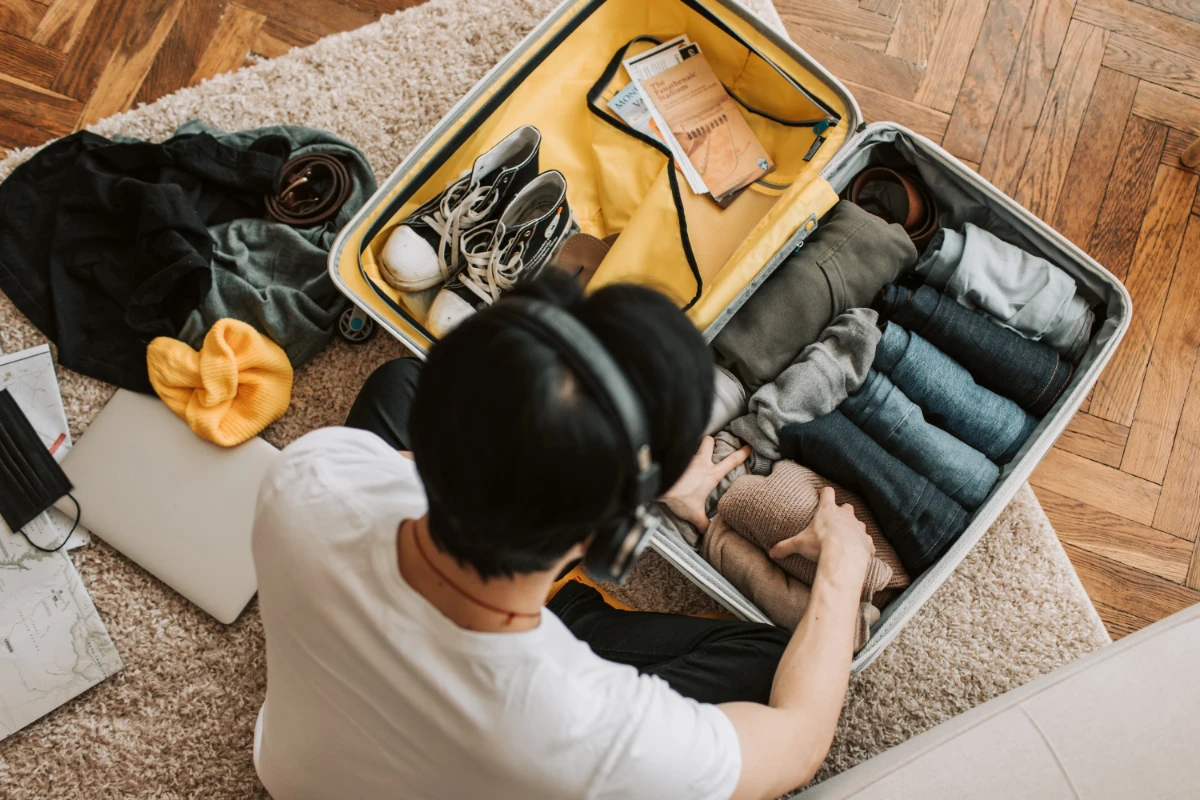
Packing well goes beyond choosing the right clothes. Factor in airline baggage allowances, the weather at your destination and any activity-specific gear such as hiking boots or swimwear. A universal power adapter is easy to overlook and hard to find at a good price once you’re overseas.
Keep your essentials in your carry-on: medication, phone charger, travel documents and a spare change of clothes. A small first aid kit with items like bandages, paracetamol and motion sickness tablets is worth the space too.

Losing your passport or travel documents overseas is stressful, but having copies makes recovery far more manageable. Scan or photograph your passport, travel insurance policy, visa documentation and any booking confirmations. Store copies somewhere accessible online and leave a set with a trusted person at home.
Every country has its own cultural norms and legal framework. Taking the time to research your destination shows respect and helps you avoid uncomfortable situations. Dress codes at religious sites, rules around photography and alcohol regulations are all worth knowing in advance – as are habits that seem perfectly normal at home but may be illegal or deeply offensive elsewhere.
Share your itinerary with someone at home before you leave. Check Smartraveller for the latest travel advisories, entry requirements and safety information for your destination. You can also subscribe to receive alerts for the countries you’re visiting, so any updates come straight to you.
It’s also handy to know who to contact if something goes wrong, including the nearest Australian embassy or consulate. Having this information on hand before you need it will make a stressful situation a lot more manageable.
 From booking it at the best possible price to getting a few Zs, here's how to have a successful flight.
 Sadly, more than 980 Australians are robbed while on an international trip every year. But here's exactly what to do...


1Cover ® is a registered trademark of 1Cover Pty Ltd. 1Cover Pty Ltd ABN 91 105 954 265, is an authorised representative of Coffre-Fort Pty Limited ABN 66 125 358 518, AFS Licence No. 472457. 1Cover is located at Level 1, 332 Kent Street, Sydney NSW 2000. Before you buy, please read the Product Disclosure Statement and Target Market Determination. Any information contained on this website is general advice only and has been prepared without taking into account your objectives, financial situation or needs. You should consider these having regard to the Product Disclosure Statement (‘PDS’). Before you purchase, please note in particular, the eligibility criteria, travel warnings in place and limitations to claim under multiple policy sections.
This insurance is underwritten by HDI Global Specialty SE, a company registered in Germany acting through its Australian branch, HDI Global Specialty SE – Australia, ABN 58 129 395 544, AFSL 458776.




 AU
AU NZ
NZ