By Honida Beram.
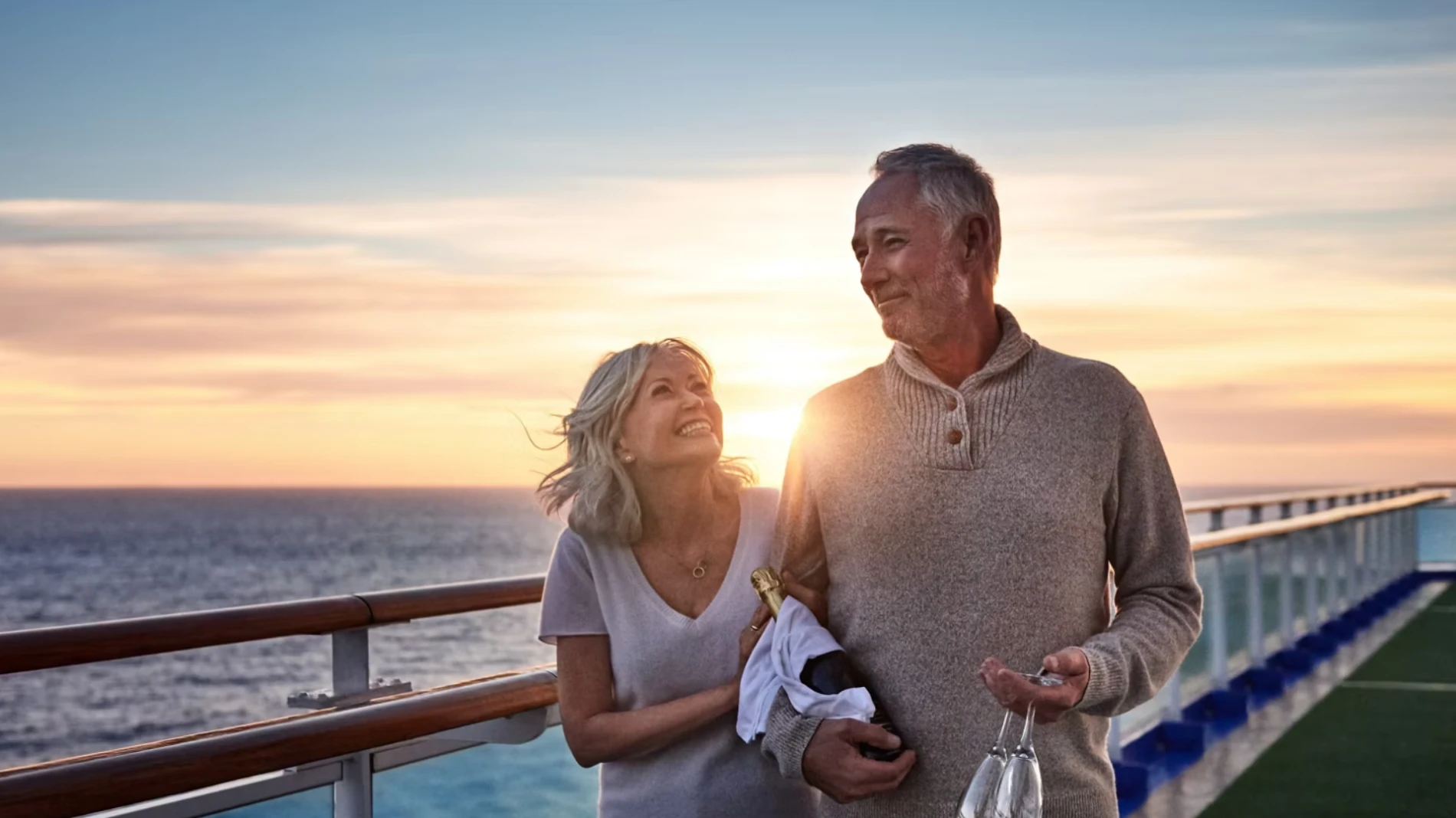
Image Credit: Princess
Who says adventure has an expiry date? Certainly not me! One of the things I love most about cruising is that it really is a holiday for everyone. Whether you're 60, 70, 80 or celebrating your 90th birthday, there's no reason to stop exploring the world.
In fact, cruising is one of the easiest and most enjoyable ways to travel as we get older. You unpack once, your hotel travels with you and you can wake up somewhere different almost every morning. Not bad, is it?
But with so many ships, cruise lines and itineraries to choose from, how do you know which cruise is right for you? And is cruising really suitable for someone in their 80s? Let's find out.
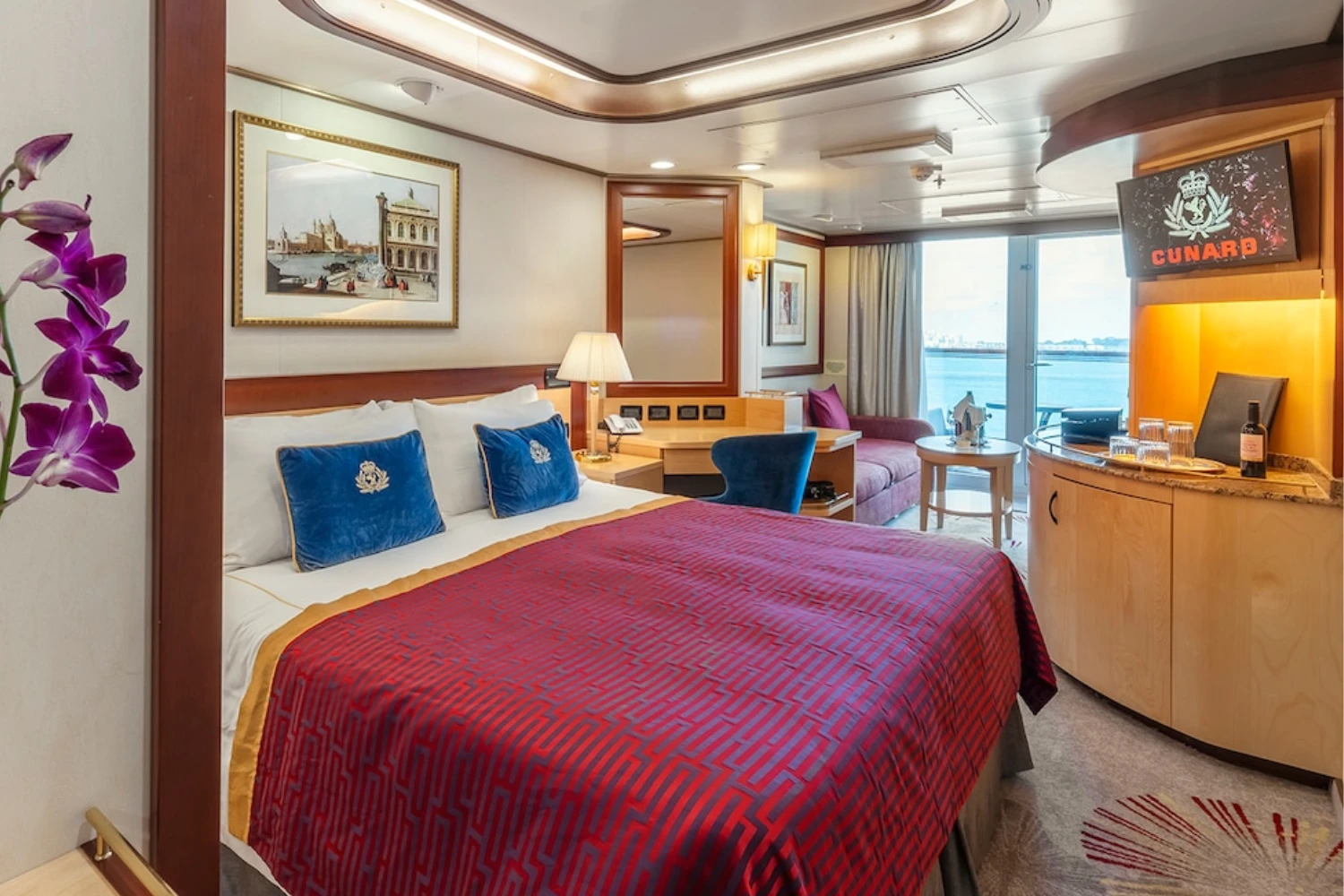
Image Credit: Cunard
There isn't one cruise line that suits everyone. It really comes down to your budget, interests, mobility and the kind of holiday you enjoy.
That said, some cruise lines have a particularly strong following among mature travellers. Here are some of my favourites:
Princess Cruises is a popular choice with Australian travellers, and it's easy to see why. The ships offer a lovely mix of relaxation, entertainment, good dining and destination experiences. You can spend your days enjoying a show, joining an enrichment activity, having a leisurely lunch or simply finding a comfortable spot to watch the ocean.
It's a good choice if you enjoy traditional cruising without feeling that you have to be entertained every minute of the day.
If you're after a more traditional cruising experience, Holland America Line is well worth a look. The atmosphere is generally relaxed, with an emphasis on destinations, food, music and enrichment activities.
It's particularly appealing if you'd rather spend your time discovering the places you visit than racing around a ship trying to fit in every activity. I love the quiet elegance of Holland America ships - and they’re just the right size.
Celebrity offers a more contemporary style of cruising, with super stylish ships, excellent dining and plenty of comfortable spaces to relax. It's a lovely option for couples and independent travellers who enjoy a little luxury without necessarily wanting a formal, traditional cruise experience.
For old-world glamour, Cunard is hard to beat. Think afternoon tea, elegant dining rooms, ballroom dancing and beautifully appointed public spaces. There is something rather special about dressing up for dinner and enjoying the traditions of ocean travel.
Of course, don't rule out other cruise lines simply because they attract younger passengers. Many ships cater for several generations, and you might be surprised by just how much they have to offer.
Absolutely! Being 80 doesn't mean hanging up your travel shoes.
I've met plenty of older passengers who are still travelling the world, enjoying new experiences and making wonderful memories. And why not? My plan is to cruise as long as I can and increase the number of cruises I do each year once I retire.
One of the great advantages of cruising is that you don't have to keep changing hotels, lugging suitcases around or organising transport every morning. Your cabin comes with you!
However, age itself isn't the deciding factor. Your general health, mobility, independence and the type of itinerary you're considering are much more important.
Before booking, think about:
- Can you comfortably manage the walking distances around the ship?
- Would you benefit from an accessible cabin or bathroom?
- Are you comfortable getting on and off the ship?
- Does the vessel have suitable medical facilities?
- Do the shore excursions involve lots of walking, stairs or uneven ground?
- Do you have any medical conditions that need special consideration?
If you have concerns about your health or fitness to travel, have a chat with your doctor before booking.
Honey Tip: Don't book a cruise just because the price is fantastic. Look at the itinerary first. A port-intensive cruise with early starts and lots of walking might not be nearly as enjoyable as a longer voyage with plenty of relaxing sea days.
And please, don't leave travel insurance until the last minute! Book your travel insurance as soon as you book your cruise.
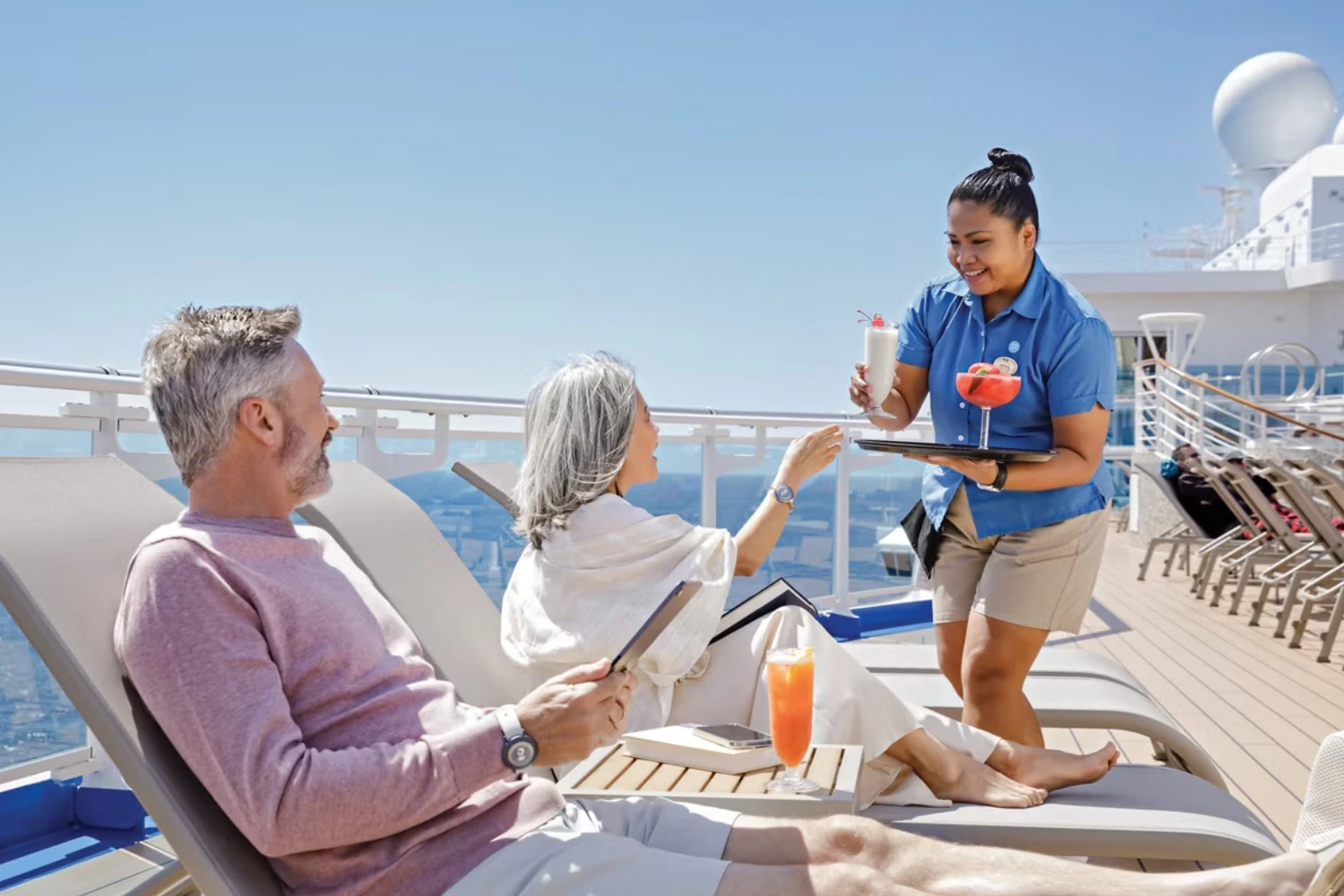
Image Credit: Princess
Some cruise ships are enormous. We're talking multiple restaurants, theatres, swimming pools and entertainment venues spread across numerous decks. Even experienced cruisers can find themselves checking the deck plan more than once.
If mobility is a concern, it's worth doing a little homework before choosing your ship.
Look for:
- Elevators conveniently located throughout the ship.
- Accessible cabins with suitable bathroom facilities.
- Wheelchair-accessible public areas.
- Suitable boarding and disembarkation arrangements.
- Assistance for passengers who need extra support.
- Conveniently located dining and entertainment venues.
One thing people sometimes overlook is how passengers get ashore.
Not every port has a traditional pier where the ship can dock. At some destinations, passengers need to use tender boats to travel between the ship and shore. This can involve steps, movement and getting in and out of smaller boats.
If you have mobility concerns, check the cruise line's tendering and accessibility policies before booking.
Honey Tip: Download the ship's deck plan before you sail. It will give you a much better idea of where your cabin is in relation to the restaurants, lifts and entertainment venues. I always think a conveniently located cabin is worth considering, particularly if you don't fancy walking the length of the ship several times a day.
I love river cruising and it is a fabulous option worth considering, particularly if you prefer smaller ships and a more intimate atmosphere.
Unlike ocean cruises, river vessels generally carry fewer passengers and travel along waterways, often passing through beautiful countryside and historic towns.
European river cruises are particularly popular, with itineraries along the Danube (my favourite), Rhine and Rhône rivers. I’ve also cruised the Mekong and the voyage opened my eyes to a wondrous way to see the world.
Closer to home, the Murray River offers a wonderful opportunity to explore regional Australia. There are traditional paddle steamers and multi-day river cruise experiences that allow you to enjoy the scenery at a much slower pace. The slow pace and gorgeous Australian bush scenery was intoxicating.
However, don't assume river cruising is automatically easier for everyone. Some shore excursions involve cobblestones, stairs and uneven footpaths, while certain vessels have limited accessibility.
Check the facilities and excursions before making a booking.

Image Credit: Viking
The ship is important, but don't underestimate the itinerary.
If you enjoy a leisurely holiday, consider a cruise with several sea days. You'll have time to enjoy the ship, catch a show, read a book or simply sit back with a coffee and watch the world go by.
If sightseeing is more your thing, look for ports with convenient transport, accessible attractions and excursions that suit your fitness level.
Popular choices for Australian travellers include:
- South Pacific island cruises.
- New Zealand cruises.
- Australian coastal itineraries.
- Longer voyages to Asia.
- World cruises and extended international voyages.
Think about the length of the cruise, too. A seven-night voyage might be perfect for someone trying cruising for the first time, while a longer itinerary could be ideal for experienced travellers who enjoy spending more time at sea.
Honey Tip: Don't dismiss sea days! Some of my favourite cruise memories have involved doing absolutely nothing. A leisurely breakfast, a good book, a spot in the sunshine and the ocean stretching out in front of you. Sometimes that's exactly what a holiday should be.
Cruise ships have medical facilities and trained medical personnel onboard, although the level of care varies between vessels.
These facilities can deal with many medical issues that arise during a voyage, but they aren't a substitute for a fully equipped hospital.
If you have an existing medical condition, speak with your doctor before travelling and make sure you understand any requirements or precautions.
It's also important to take enough medication for the entire trip, with extra supplies in case of unexpected delays.
Keep medication in its original packaging and carry prescriptions and relevant medical information with you.
If you use mobility aids or medical equipment, contact the cruise line before booking to confirm its requirements and what assistance is available.

Image Credit: Norwegian Cruise Lines
Absolutely. In fact, I'd say this is one of the most important things to organise before you sail.
Medical treatment onboard a cruise ship can be expensive. If you need to be taken off the ship for medical treatment or require an emergency evacuation, the costs can be substantial.
Travel insurance policies vary, so don't simply assume you're covered because you've purchased a standard policy.
Before buying, check:
- Whether your age is covered.
- Whether your pre-existing medical conditions are covered.
- Whether cruise travel is included or requires an additional option.
- Whether emergency medical evacuation is covered.
- Whether cancellation and trip interruption are included.
- Whether there are limits or exclusions relating to activities and excursions.
It's particularly important to understand how pre-existing medical conditions are assessed. You may need to declare certain conditions and have them specifically accepted by the insurer.
Read the Product Disclosure Statement (PDS) carefully and make sure the policy suits your individual circumstances.
Honey Tip: Buy your travel insurance as soon as you've paid for your cruise, rather than waiting until a few days before departure. Depending on the policy, cancellation cover may be available from the time you purchase it. Again, check the PDS so you know exactly when cover begins.
One of the greatest things about cruising is that you can do as much or as little as you like. You can explore every port, enjoy the onboard entertainment, join a shore excursion or spend the entire afternoon watching the ocean from your balcony.
There really is no magic age when you should stop travelling.
Choose a ship that suits your needs, take a little time to plan your itinerary, organise your travel insurance and most importantly, enjoy yourself.
After all, there are still plenty of ports to discover and adventures to be had.
And remember, age is just a number. Happy cruising!
What To Pack For A Cruise: The Ultimate Checklist
 Packing for a holiday can be stressful; here's what essential for any cruise.
What Do Pineapples Really Mean on a Cruise?
 It seems innocent enough, but there's a cheeky reason as to what pineapples can signify on a cruise ship...


1Cover ® is a registered trademark of 1Cover Pty Ltd. 1Cover Pty Ltd ABN 91 105 954 265, is an authorised representative of Coffre-Fort Pty Limited ABN 66 125 358 518, AFS Licence No. 472457. 1Cover is located at Level 1, 332 Kent Street, Sydney NSW 2000. Before you buy, please read the Product Disclosure Statement and Target Market Determination. Any information contained on this website is general advice only and has been prepared without taking into account your objectives, financial situation or needs. You should consider these having regard to the Product Disclosure Statement (‘PDS’). Before you purchase, please note in particular, the eligibility criteria, travel warnings in place and limitations to claim under multiple policy sections.
This insurance is underwritten by HDI Global Specialty SE, a company registered in Germany acting through its Australian branch, HDI Global Specialty SE – Australia, ABN 58 129 395 544, AFSL 458776.



 AU
 NZ