
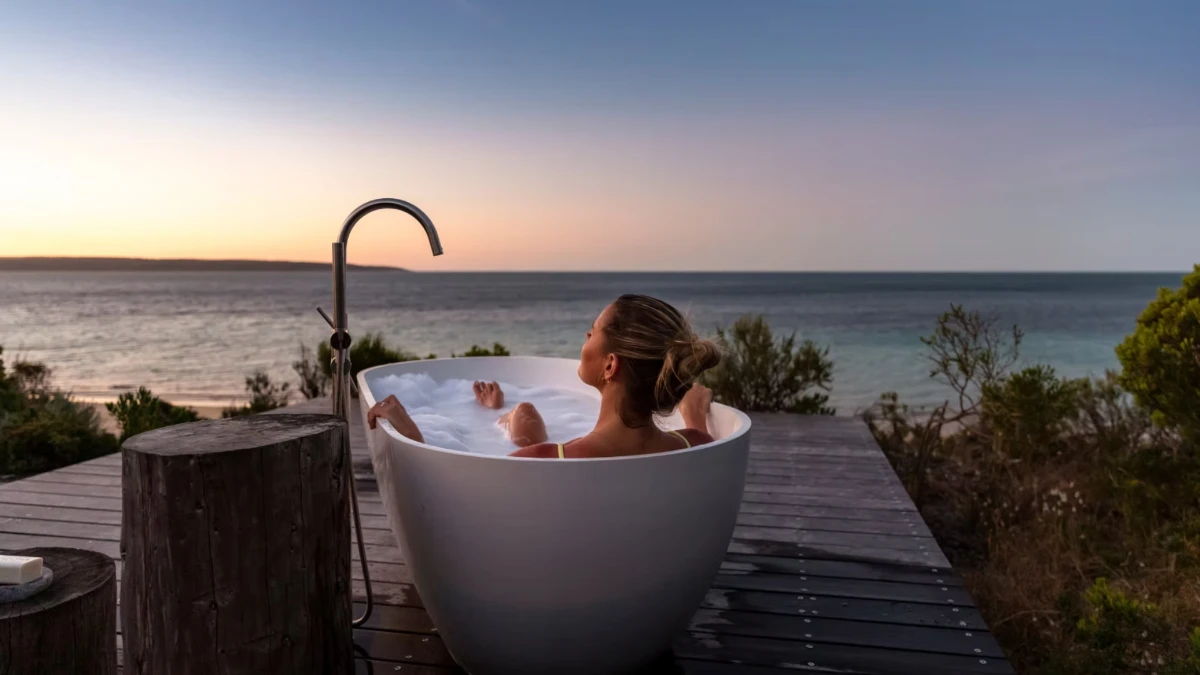
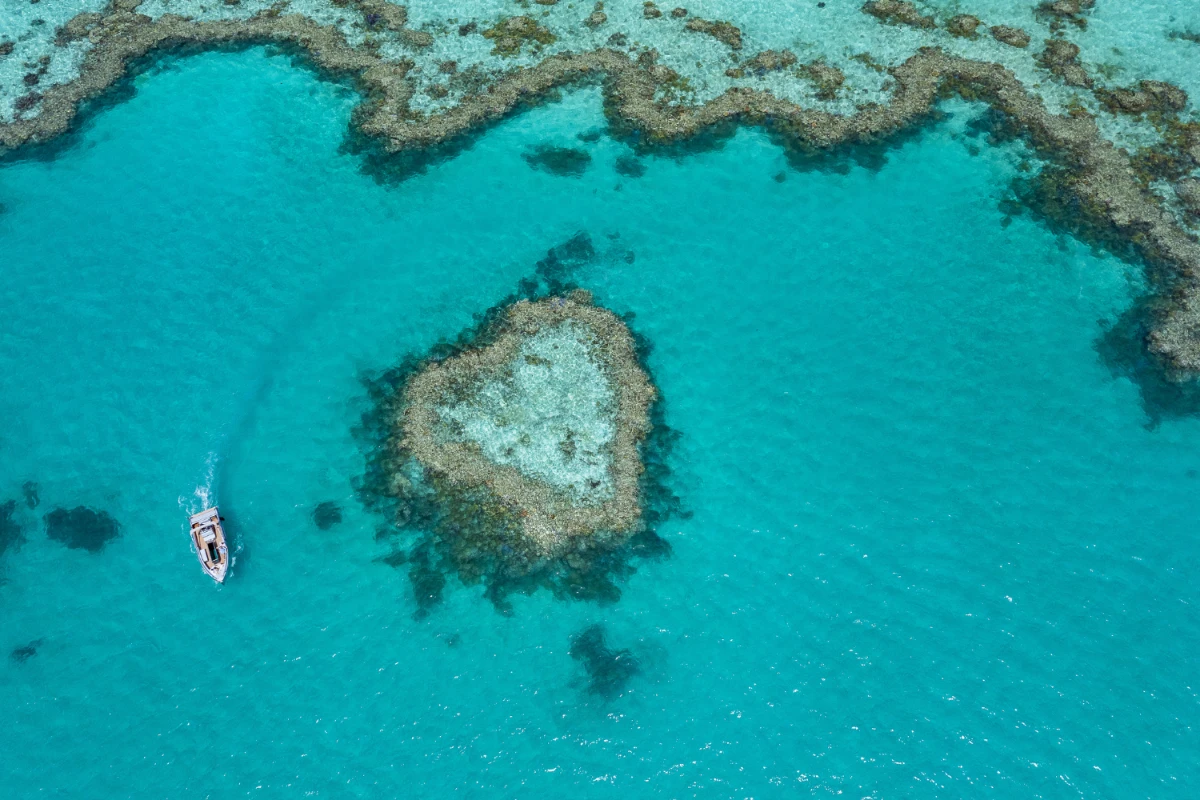
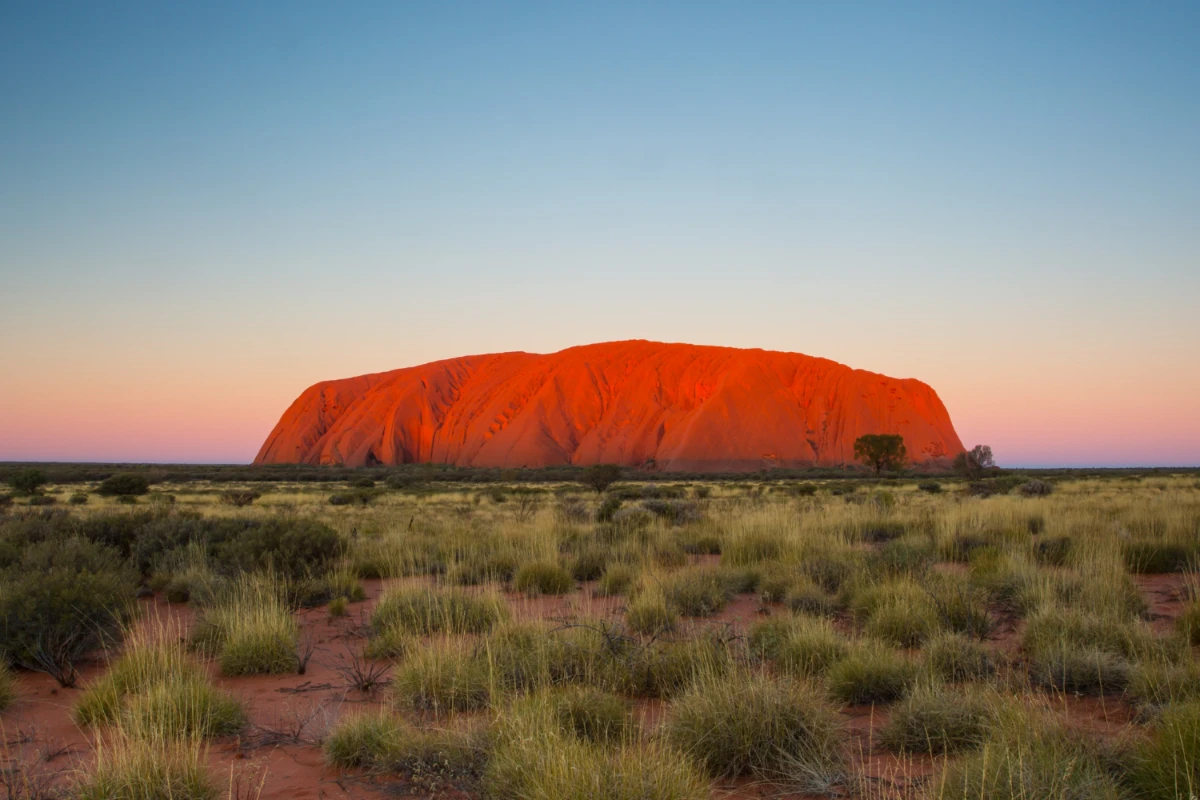
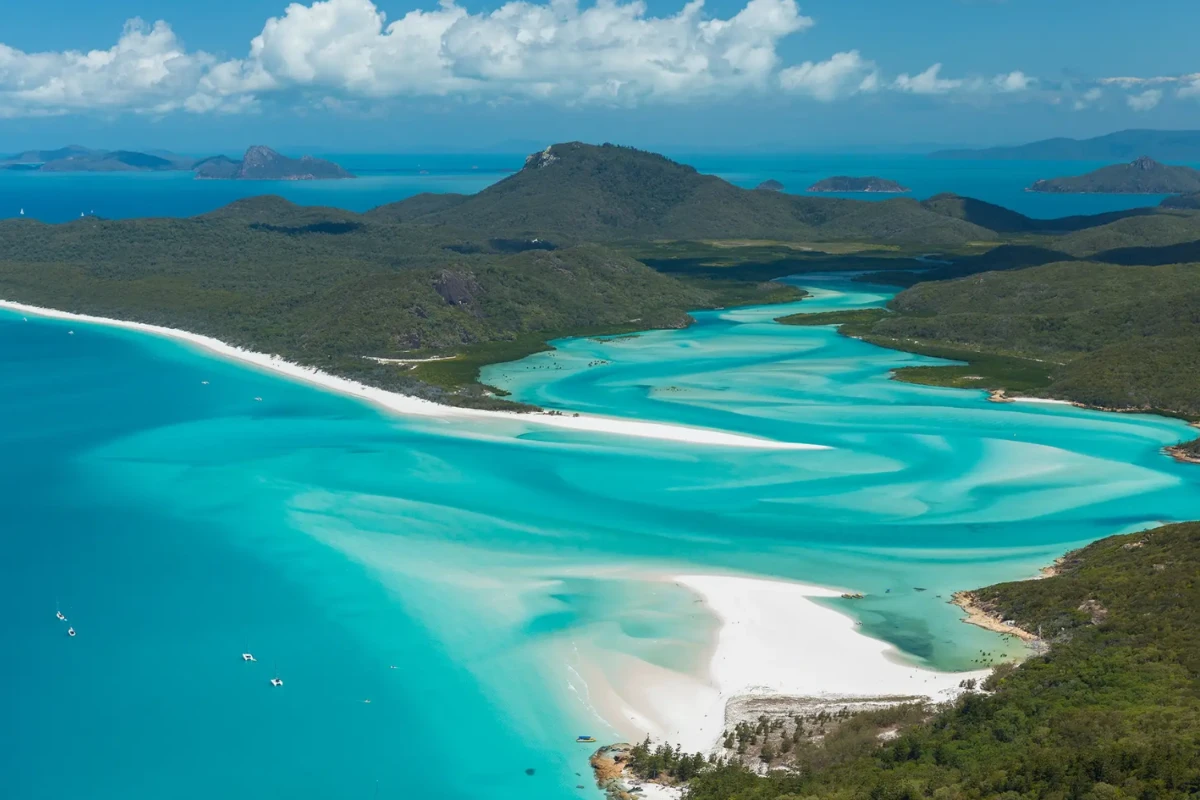
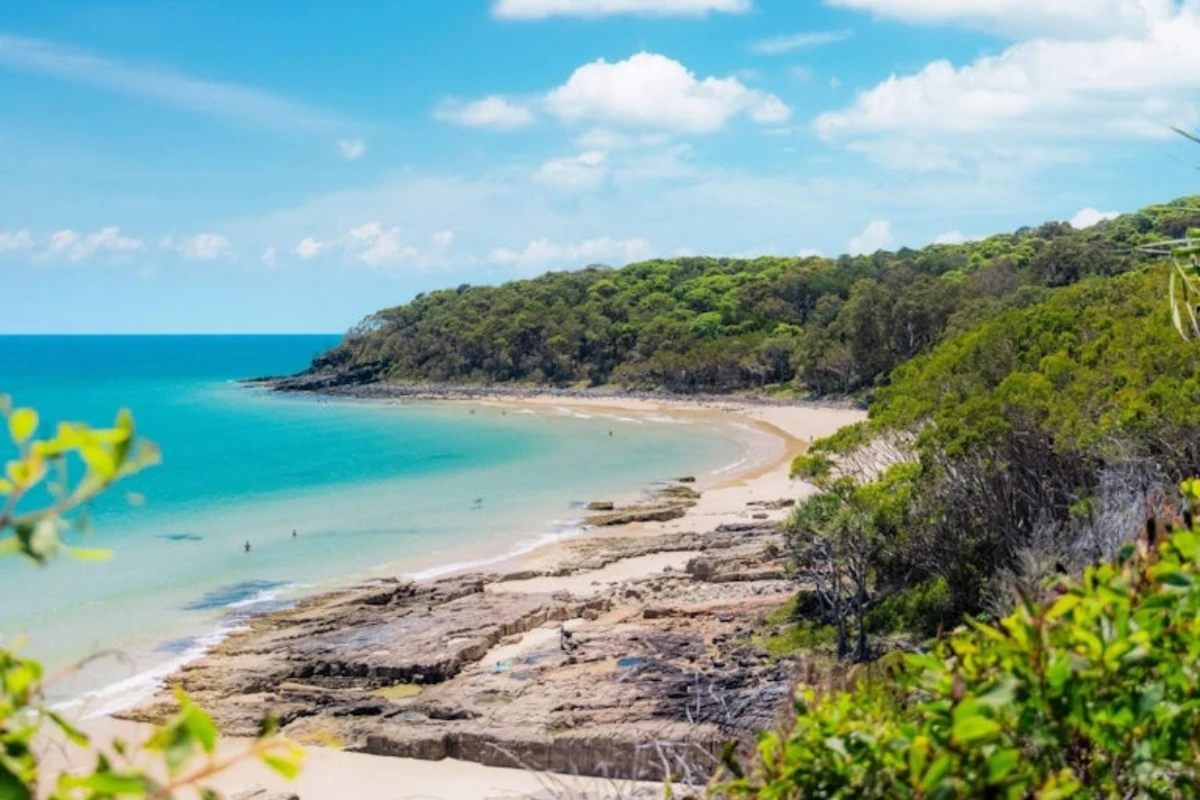
The coastal town is abundant in boutique resorts and home to world-class surf breaks and a restaurant strip that rivals Melbourne’s Lygon Street.
It’s also backed by a beautiful national park that most visitors walk straight past on their way to Hastings Street; don’t make that mistake! Noosa National Park has some of the best coastal walking in Queensland, and the Noosa Everglades – one of only two everglade systems in the world – is a seriously special place to kayak or take a guided tour through.
2 The Kimberley, Western Australia
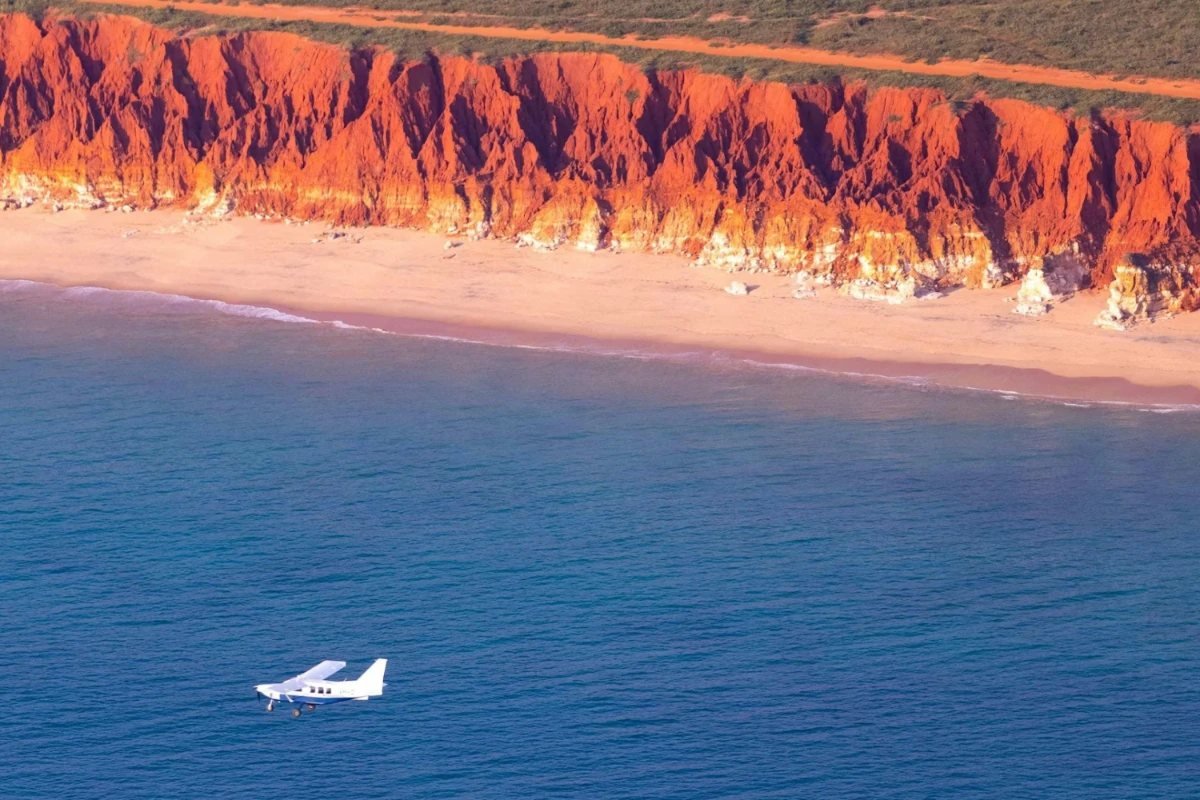
Image credit: Western Australia Tourism
The Kimberley is about as remote as Australia gets, and that’s exactly the point. This vast region in far north Western Australia is home to some of the most ancient and dramatic landscapes on the continent: 20-million-year-old sandstone gorges, the extraordinary tidal phenomenon of Horizontal Falls, and the pearling town of Broome sitting at its western edge.
Broome itself is worth the trip alone, with Cable Beach stretching for 22 kilometres and the unforgettable Staircase to the Moon reflecting off the mudflats at low tide. Yes, getting there takes effort, but the Kimberley rewards you with an off-grid, visceral journey in a way very few places can.
3 Kangaroo Island, South Australia
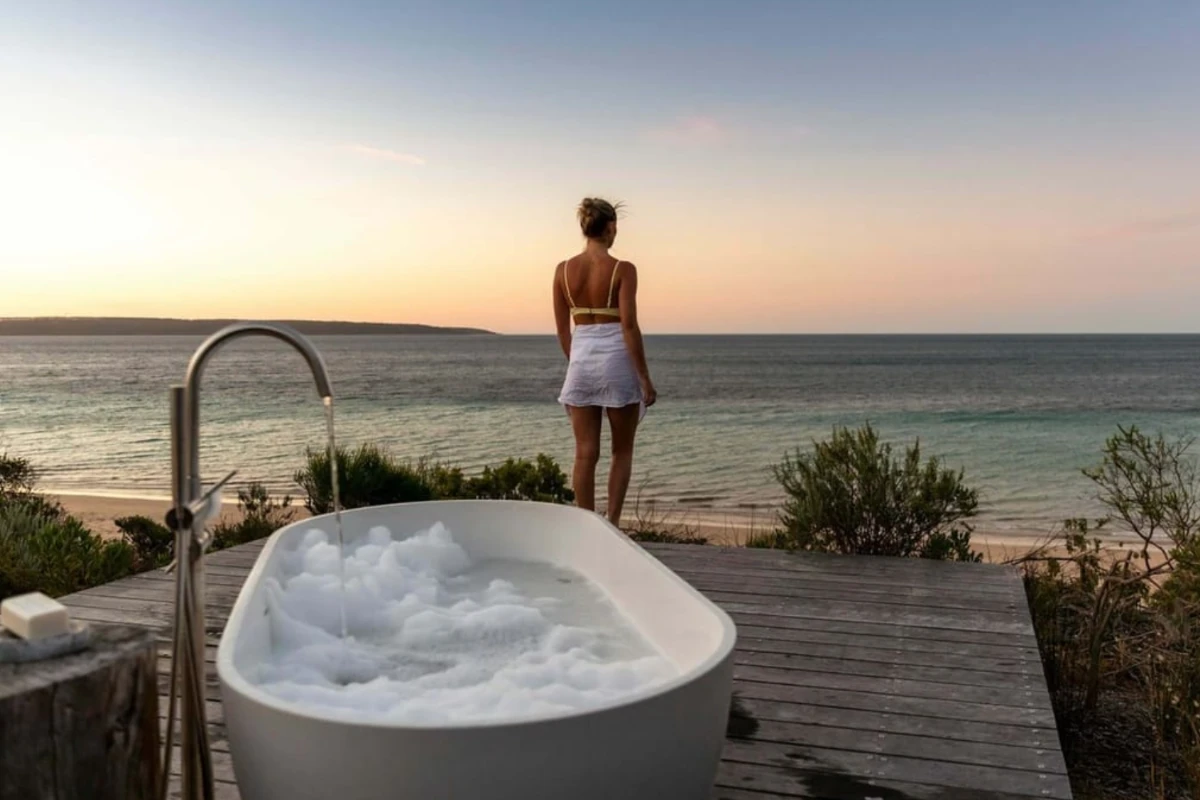
Image credit: One Kangaroo Island
Kangaroo Island has thankfully bounced back after the devastating 2019-2020 bushfires, and the wildlife, coastline, and food scene that made it a special place to visit are all very much intact.
Sea lions lounge on the beach at Seal Bay. Echidnas shuffle across walking tracks. The Southern Ocean produces some of the best seafood in the country.
Accessible by ferry from Cape Jervis or a short flight from Adelaide, Kangaroo Island is the perfect destination for those wanting stunning views, excellent food and up-close encounters with cute Aussie critters.
4 Margaret River, Western Australia
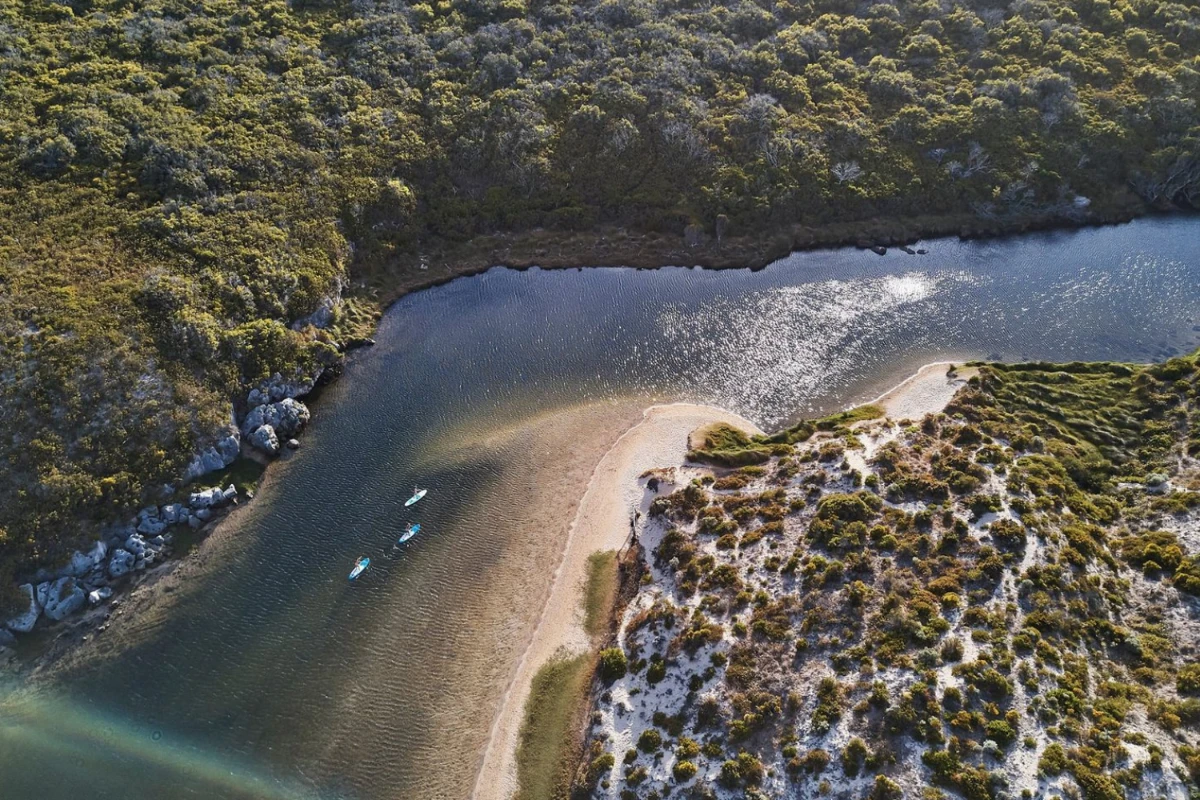
Image credit: The Margaret River Busselton Tourism Association
Margaret River sits around three hours south of Perth and manages to fit outstanding wine, ancient cave systems, beautiful beaches, and serious food all into one relatively compact region.
The Cape to Cape Track runs 135 kilometres between two lighthouses along the coast, but you don’t need to hike the whole thing to appreciate why this stretch of coastline is so loved. And Leeuwin Estate, Vasse Felix, and Cape Mentelle are among the wineries worth adding to the itinerary.
If you’re wanting a slow, restorative break that’s just a touch indulgent, Margaret River is for you.
5 The Flinders Ranges, South Australia
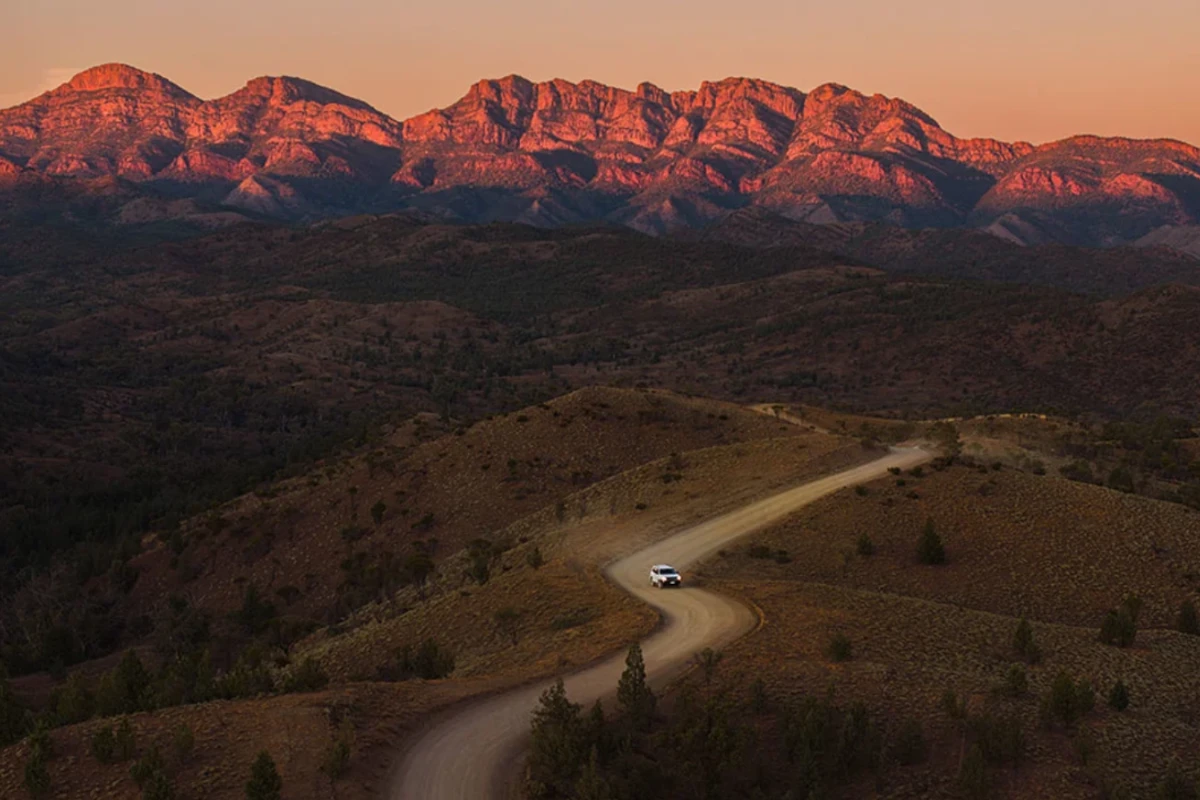
Image credit: South Australia Tourism
The Flinders Ranges sit around 200 kilometres north of Adelaide, and the further you drive into them, the more the landscape starts to feel other-worldly. The ancient red cliffs, sweeping craters, and wide-open skies have been shaped over 800 million years, and the area holds deep cultural significance for the Adnyamathanha people who have lived there for tens of thousands of years.
The Flinders Ranges are also one of Australia’s only International Dark Sky Sanctuaries, meaning the stargazing is as good as it gets in Australia: no light pollution, no noise, just an uninterrupted view of the Milky Way overhead.
6 Bay of Fires, Tasmania
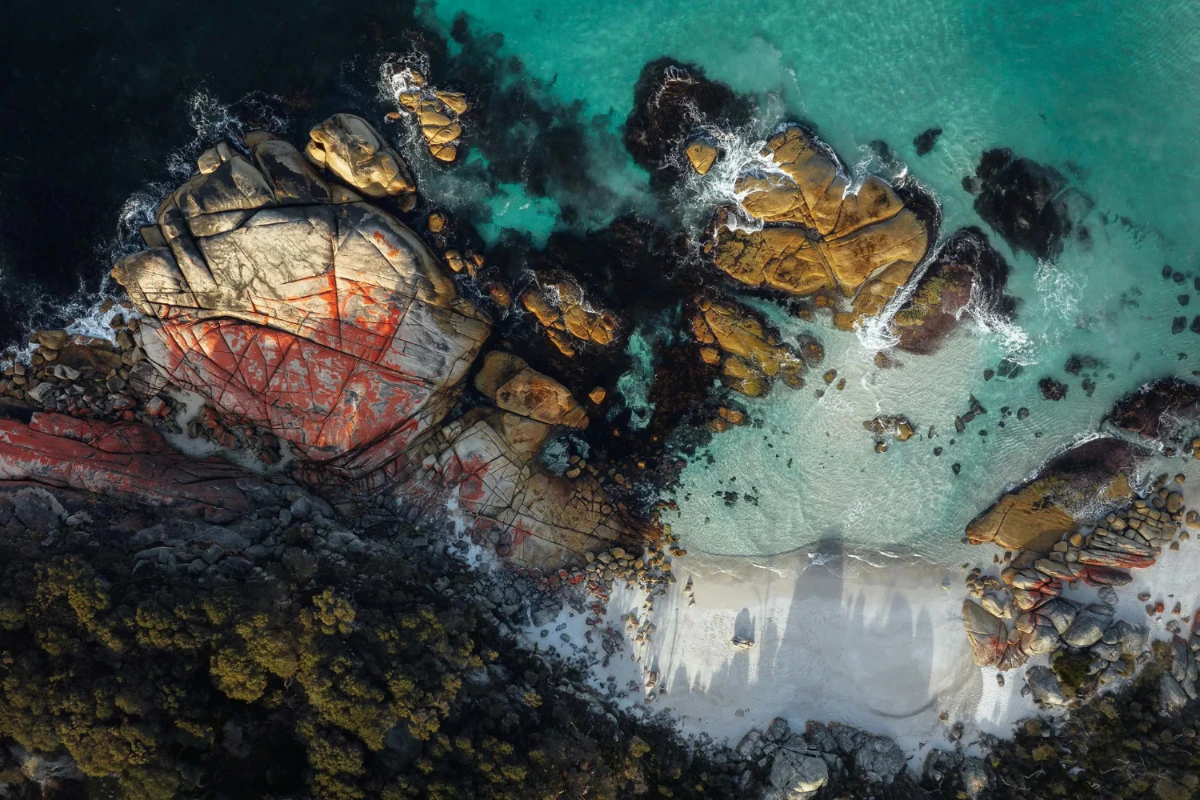
Image credit: Discover Tasmania
The Bay of Fires was crowned Australia’s best beach in 2025, and one look at it will make you understand why. The 50-kilometre stretch of Tasmania’s east coast around Binalong Bay is known for its impossibly clear water, white sand, and the distinctive orange lichen-covered boulders that give the area its name.
It’s one of the best camping destinations in Australia; many of the beachfront sites are free to stay at for up to four weeks, and there’s nothing better than enjoying a campfire by the water.
7 Ningaloo Reef, Western Australia
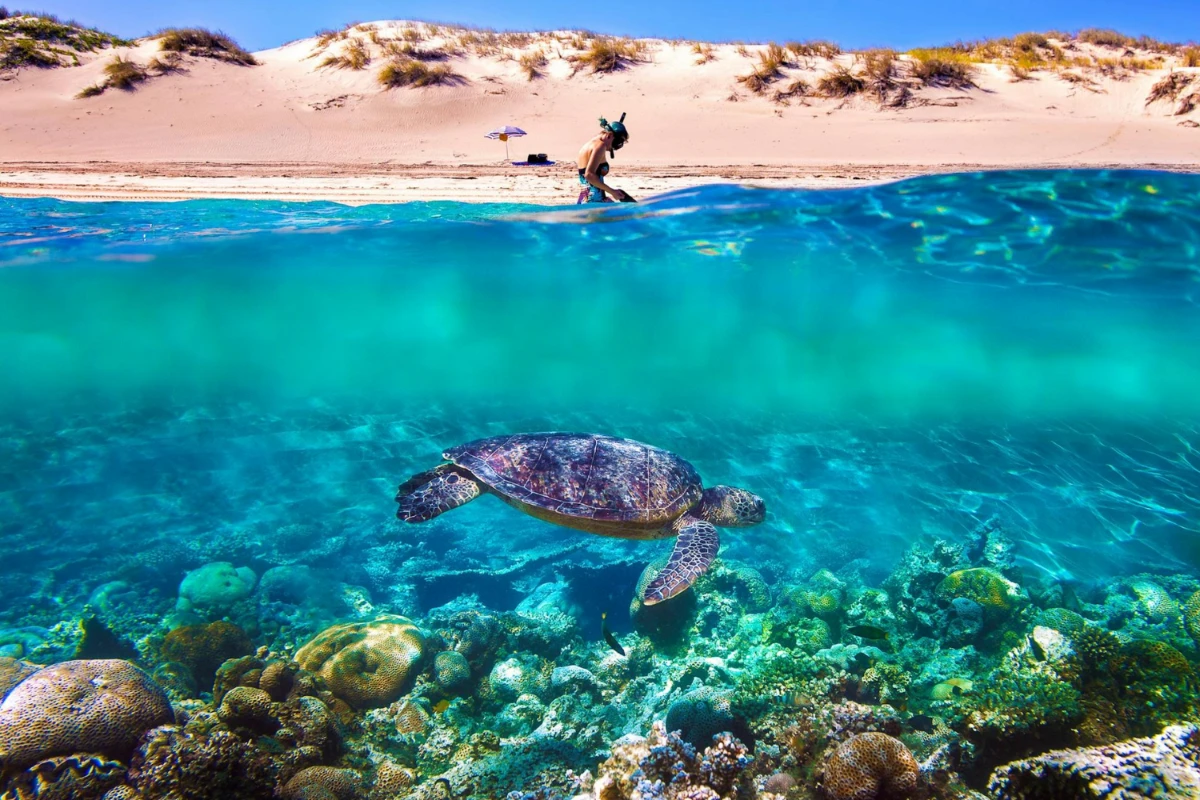
Image credit: Ningaloo Centre
Ningaloo isn’t as famous as the Great Barrier Reef, but it’s arguably the better experience.
The reef sits just offshore (meaning you can snorkel straight from the beach without a boat), and the marine life is extraordinary. Whale sharks migrate between March and July, making Ningaloo one of the few places in the world where you can reliably swim with them.
The town of Exmouth is the main base, home to fresh local seafood, a couple of excellent craft breweries, and an infectious, easy-going atmosphere.
8 Lord Howe Island, New South Wales
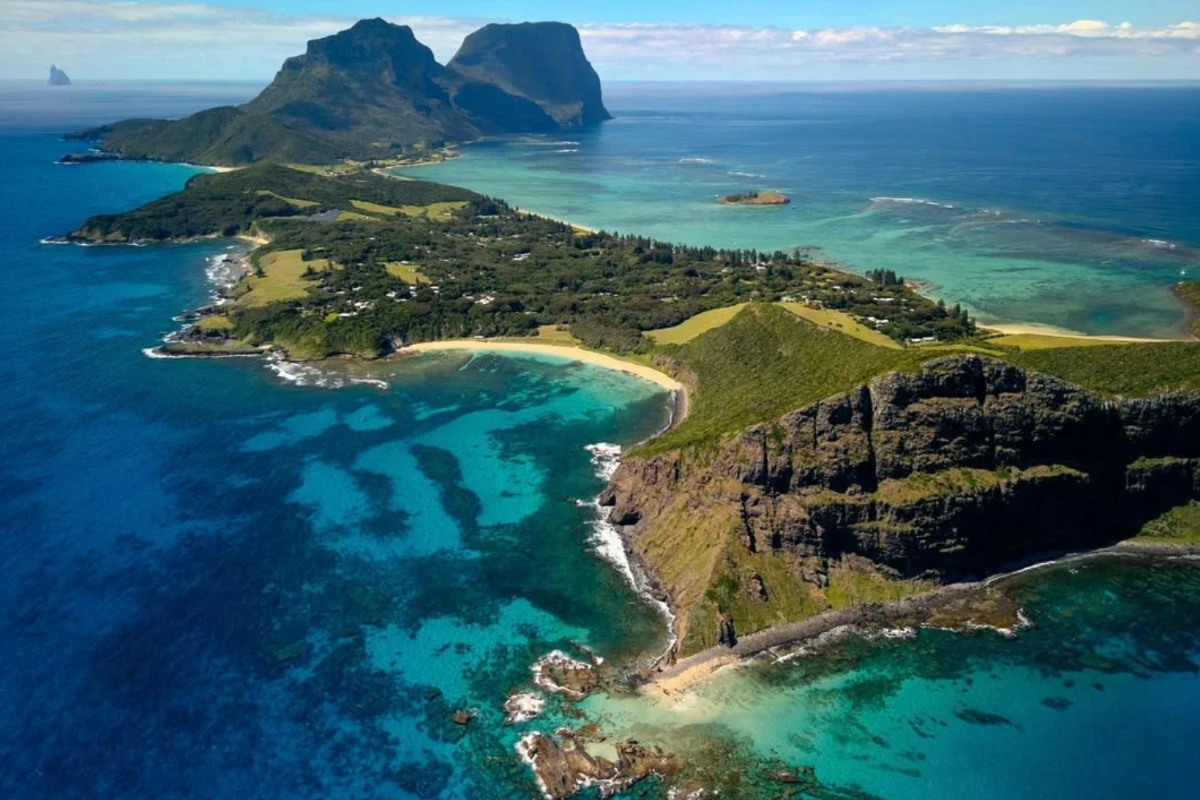
Image credit: Lord Howe Island Tourism
Lord Howe Island is the place to go if you’re wanting a secluded holiday. Seriously. Visitor numbers are capped at 400 at any one time.
There are no traffic lights, limited phone reception, and a wonderfully slow pace of life; you’ll feel completely off grid.
Located about 600 kilometres off the NSW coast, Lord Howe Island is also home to the world’s southernmost coral reef, meaning the snorkelling at places like Ned’s Beach is genuinely world-class.
9 The Daintree, Queensland
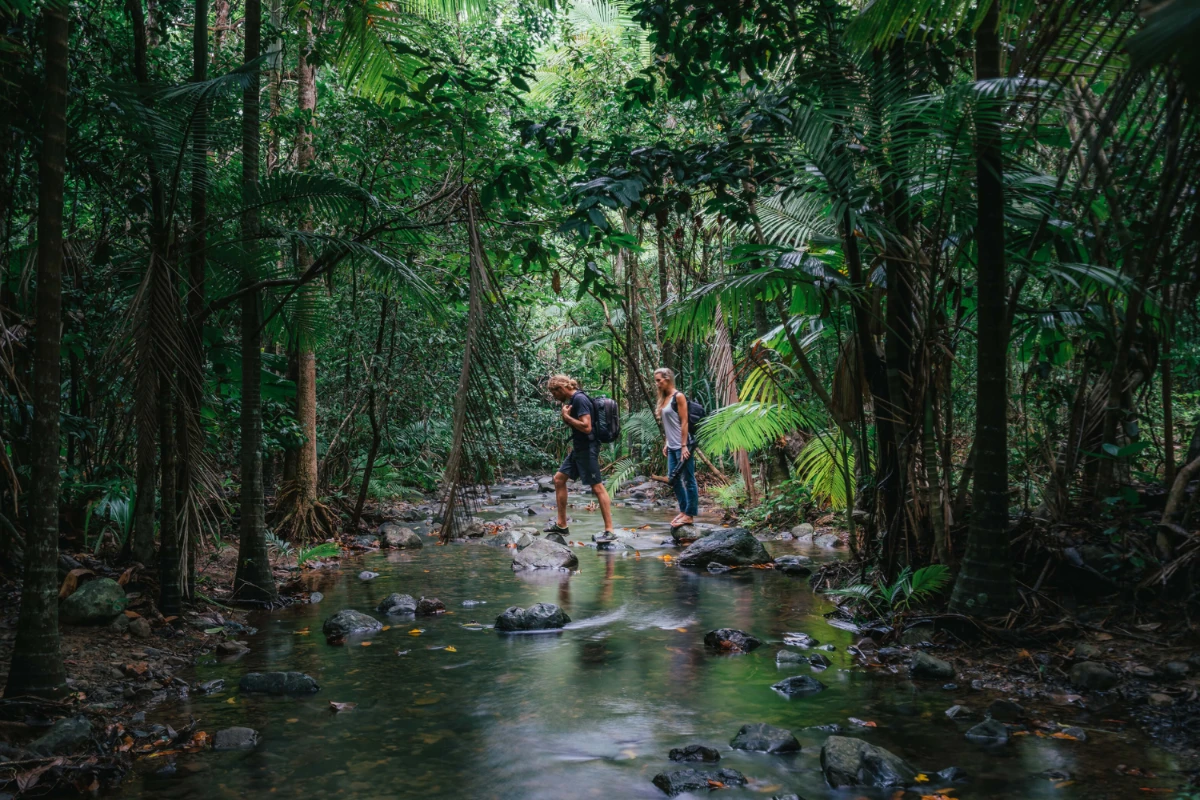
Image credit: Tourism Tropical North Queensland
The Daintree Rainforest is the oldest living tropical rainforest in the world (older than the Amazon!) and at Cape Tribulation, it meets the Great Barrier Reef – the only place on earth where two World Heritage-listed ecosystems share a coastline. It’s truly a sight to be seen.
An easy drive north of Cairns, things to do here range from guided night walks spotting cassowaries and tree kangaroos to swimming in freshwater creeks and enjoying Indigenous-led cultural tours.
10 Hobart, Tasmania
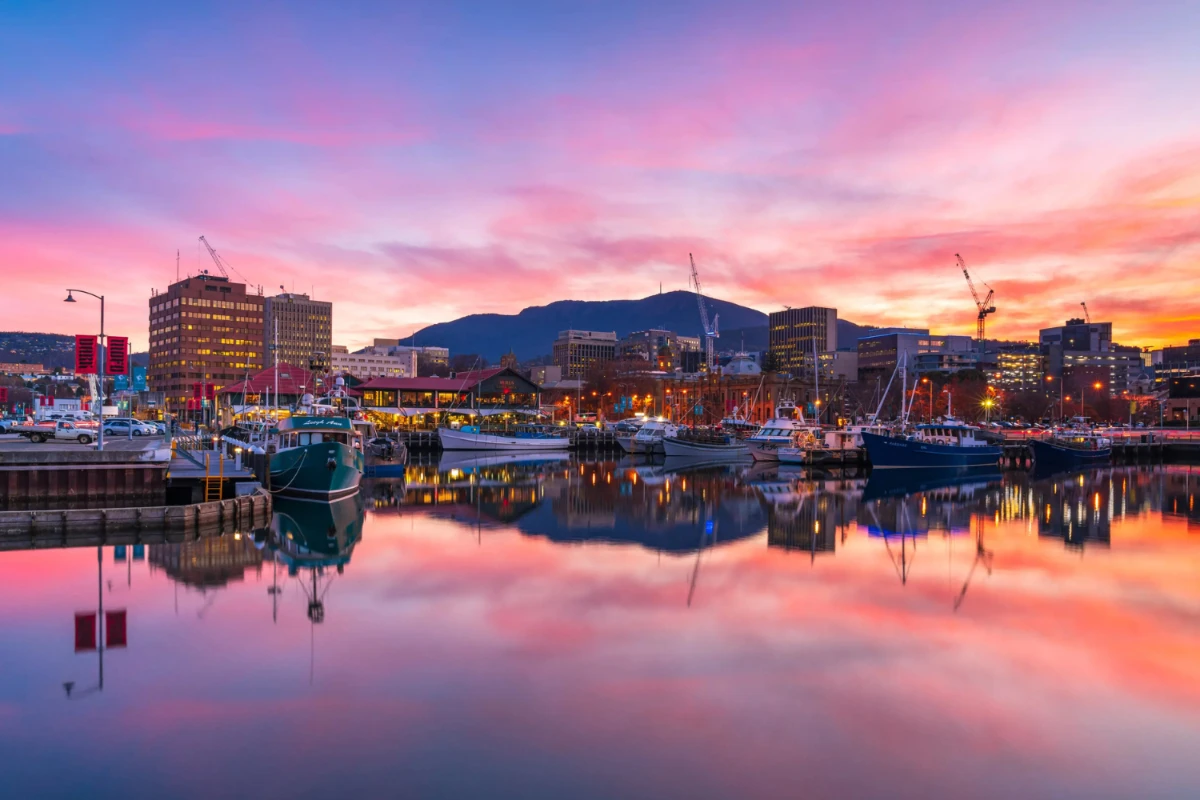
Image credit: Discover Tasmania
Hobart is one of the most underrated cities in Australia. It may be small, but that means easily walkable (take note, Sydney). It’s also built around a working waterfront that gives it a character very different from other Aussie capitals.
The food scene is exceptional, drawing on some of the best produce in the country. And then there’s MONA – the Museum of Old and New Art – which is genuinely unlike any other cultural institution in Australia. Provocative, playful, and completely absorbing, it’s worth the trip to Tasmania on its own.
11 The Grampians, Victoria
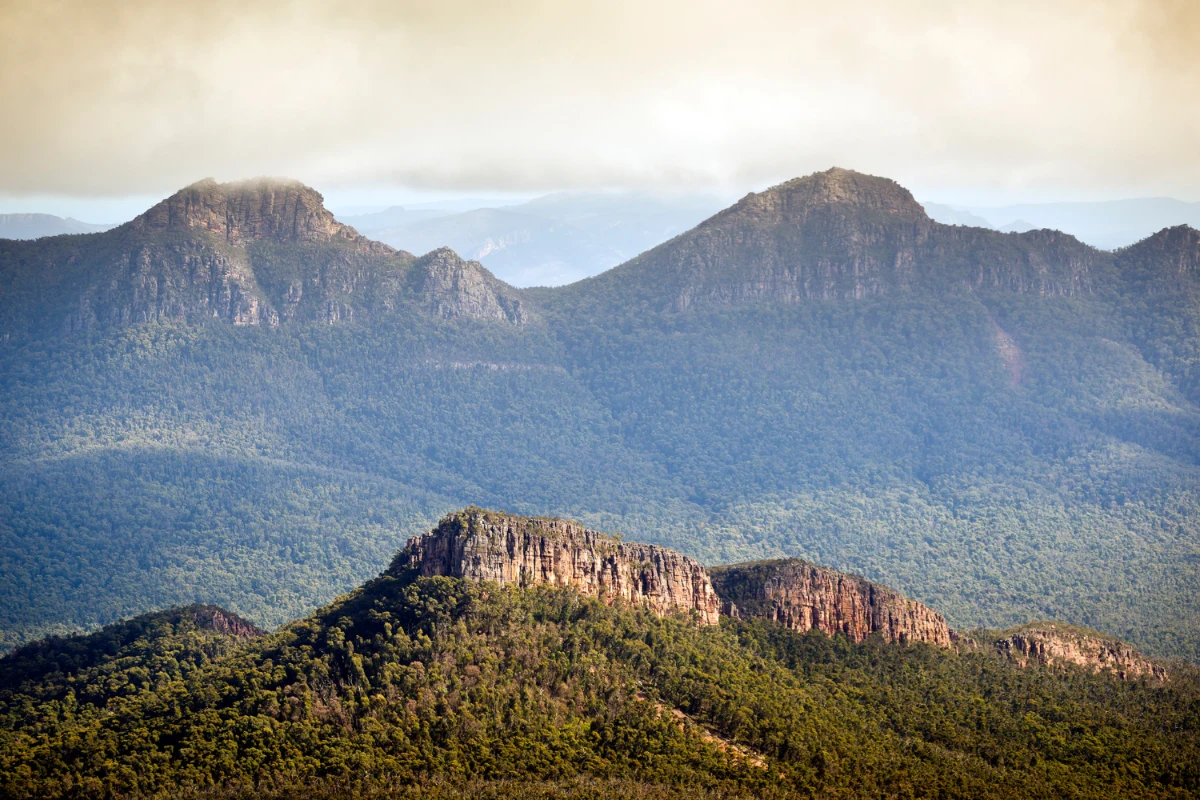
Image credit: Canva
The Grampians are around three hours west of Melbourne and make for one of the best road trips in the state.
The sandstone mountain ranges rise dramatically from the surrounding plains, with lookouts, walking trails, and waterfalls spread across the national park. The region also contains one of the most significant collections of Aboriginal rock art in south-eastern Australia.
And the nearby Great Western region produces excellent cool-climate wines; stopping at a cellar door on the way in or out of the Grampians is well worth adding to the itinerary.


 AU
AU NZ
NZ 
