By Bec Milligan.
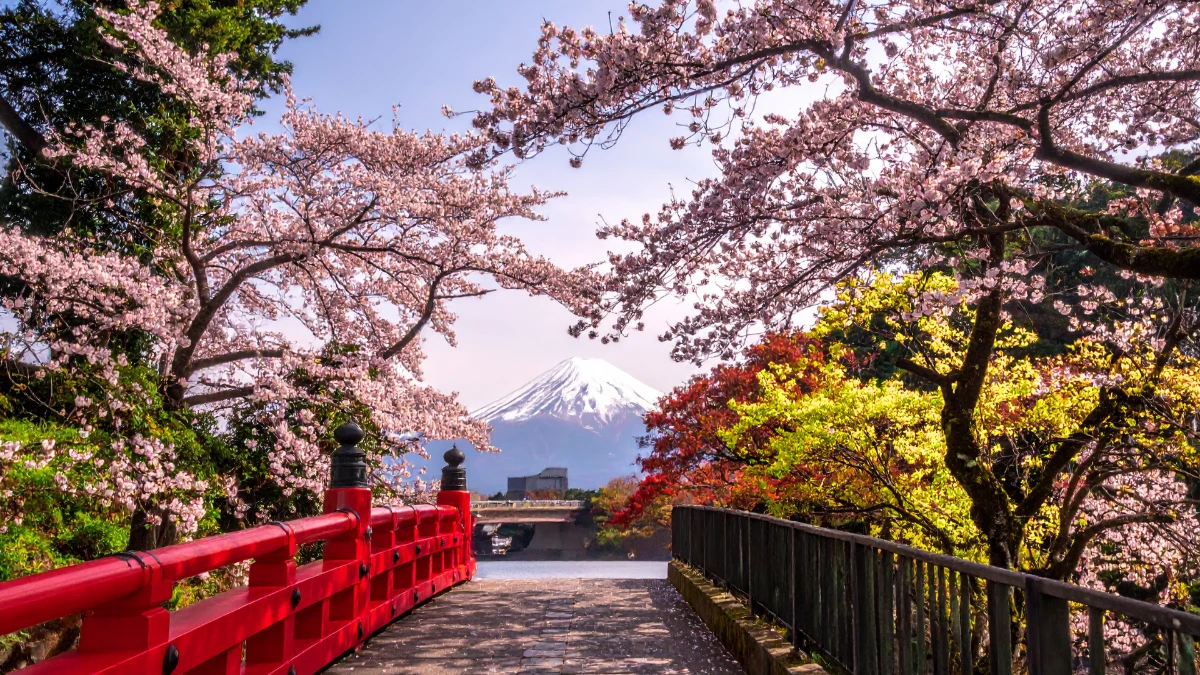
Visiting Japan during its cherry blossom season is something you simply must tick off your bucket list.
It’s incredibly beautiful being surrounded by delicate, soft pink flowers – trust us, you'll feel like you’re in a magical dream land as you wander beneath the blooming trees, petals drifting through the air like blush-coloured confetti.
Read on for everything you need to know about Japan’s cherry blossom (known as sakura in Japanese) season.
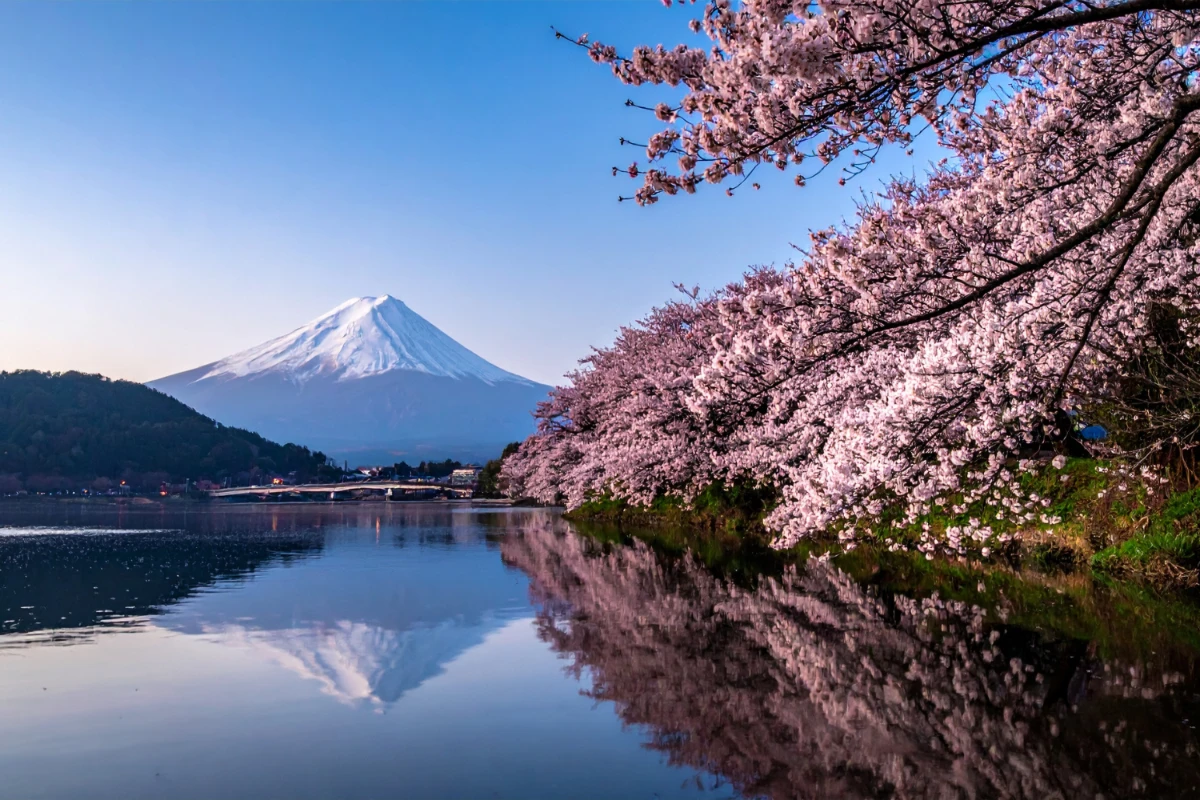
The cherry blossom season in Japan typically runs from late March through to early May, but the absolute best time to visit depends on where you’re planning to go.
For the most popular destinations like Tokyo, Kyoto, and Osaka, early April is your sweet spot.
In Tokyo, cherry blossoms usually reach full bloom around late March to early April, while Kyoto tends to bloom a few days later, typically peaking in the first week of April.
This timing makes the week spanning late March and early April ideal if you’re planning to visit multiple cities in central Japan.
That said, Japan’s cherry blossom season is like a rosy pink wave that sweeps across the country from south to north.
Down south in Fukuoka and Hiroshima, the blossoms arrive a touch earlier, whilst up north in Hokkaido, you won’t see peak bloom until late April or even early May.
This gives you quite a bit of flexibility if you’re planning a longer trip or are willing to chase the blooms across the country.
One thing to keep in mind is that cherry blossoms are wonderfully unpredictable. Weather patterns can shift bloom dates by several days (or even a week), so it’s worth checking the official cherry blossom forecasts released by the Japan Meteorological Corporation from January onwards.
These forecasts become increasingly accurate as the season approaches, helping you time your visit perfectly.
This is the million-dollar question, and honestly, both cities are absolutely stunning during sakura season.
The answer really comes down to what kind of experience you’re after.
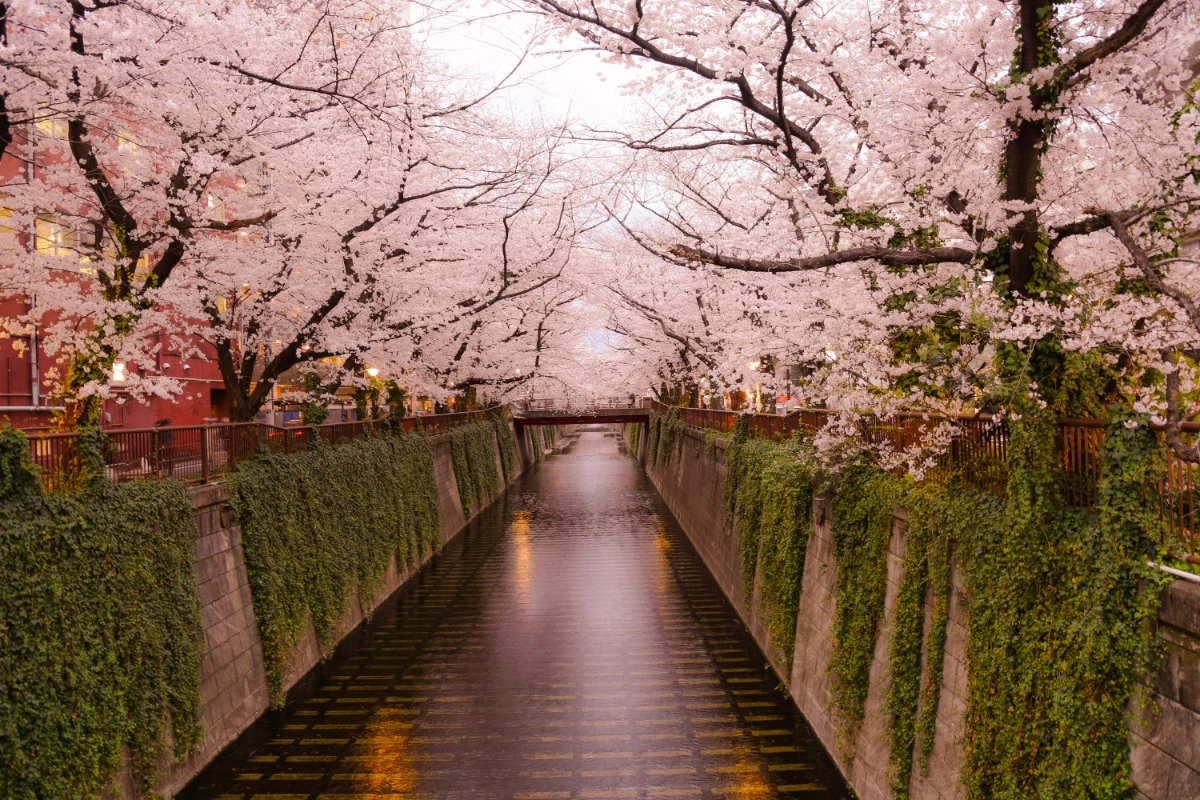
Tokyo gives you cherry blossoms with a modern, energetic twist. Think massive parks like Ueno and Shinjuku Gyoen bursting with over a thousand trees, riverside promenades along the Meguro River lit up at night, and the iconic moats surrounding the Imperial Palace where you can rent boats and row beneath the blossoms.
Tokyo’s cherry blossom season tends to be slightly earlier than Kyoto's and the city offers incredible variety – from tranquil gardens to buzzing festival atmospheres complete with food stalls and evening illuminations.
Kyoto, on the other hand, is where cherry blossoms and history collide in the most magical of ways. Imagine walking the Philosopher’s Path with hundreds of cherry trees lining a peaceful canal, or standing at ancient temples like Kiyomizu-dera where delicate pink blooms frame centuries-old wooden architecture.
Kyoto offers a more traditional hanami (Japanese for viewing flowers, especially cherry blossoms) experience with options like taking a boat ride along the Fushimi Jikkokubune Canal or admiring the famous weeping cherry trees at Maruyama Park.
The city also has a wider variety of cherry blossom types, including early and late-blooming varieties, which extends your viewing window.
Here’s a practical consideration: Kyoto tends to be more crowded during cherry blossom season, particularly at famous spots around midday. Tokyo, whilst still busy, spreads its crowds across more venues.
If you have the time, visiting both cities is genuinely worthwhile as they’re only about two hours apart by bullet train.
But if you must choose, go to Kyoto if you’ve been dreaming of that quintessential Japanese aesthetic with temples and tradition, but go to Tokyo if you prefer variety and convenience, and want that electric city energy alongside your blossoms.
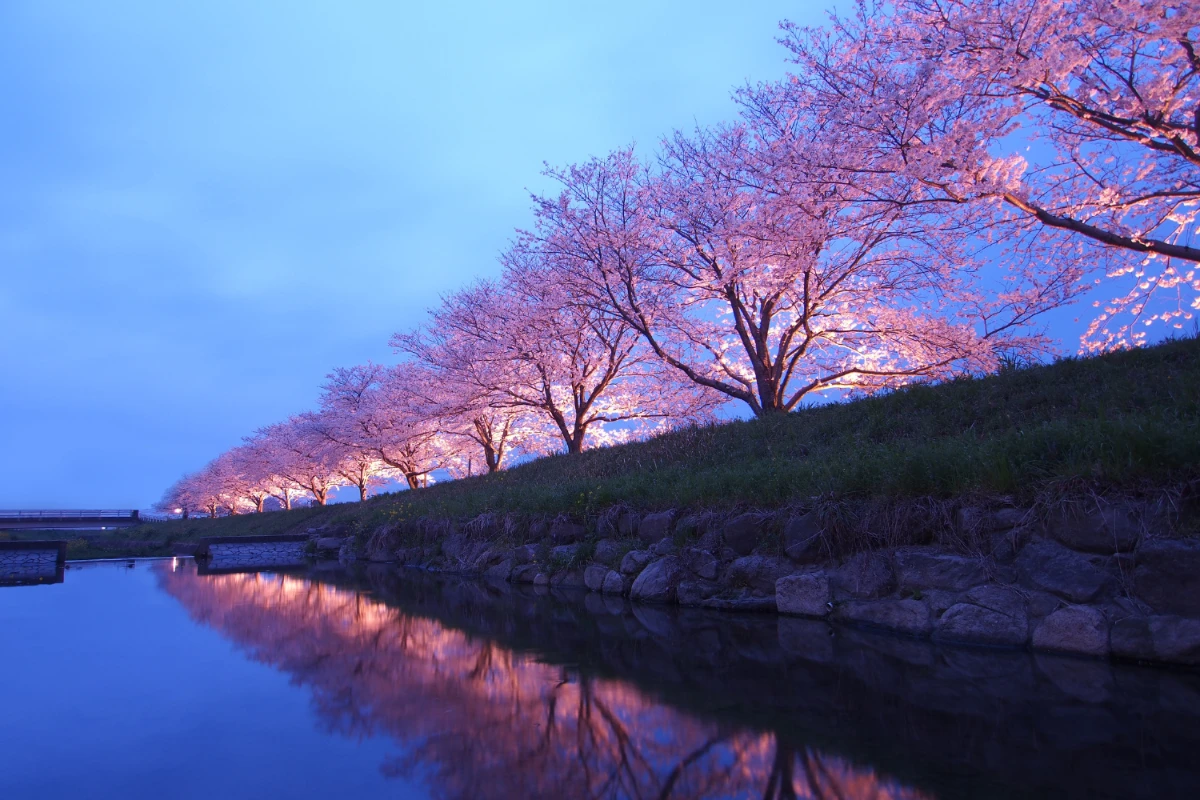
Based on the latest forecasts from the Japan Meteorological Corporation, 2026’s cherry blossom season is shaping up beautifully.
Tokyo is forecast to see its first bloom around March 20-22, with full bloom expected around March 28-30. This means the best viewing period will be late March through to the first few days of April.
Kyoto and Osaka bloom slightly later. First blossoms are expected around March 24-25, with full bloom forecast for April 1-2. Your best bet for peak viewing in these cities will be the first week of April.
If you’re heading further south, Fukuoka and Hiroshima are expected to bloom around March 21-22, reaching their peak in early April.
And for northern destinations, you’ve got more time. Sendai won’t see blossoms until early April, with peak bloom around April 10-12.
Up in Hokkaido, particularly Sapporo, cherry blossoms arrive fashionably late; the first bloom is forecast for late April (around April 26), with full bloom expected right at the end of the month or early May.
Keep in mind that these forecasts are updated regularly, with new predictions released throughout February and March. The Japan Meteorological Corporation releases updates every couple of weeks, and their forecasts become increasingly accurate as the season approaches.
Not to mention, weather conditions (particularly temperature, wind, and rain) can shift these dates by several days, so it’s wise to build some flexibility into your itinerary.
A handy tip: download the Sakura Navi app, which tracks the cherry blossoms’ progress toward flowering in real-time across roughly 1,000 locations throughout Japan. This way, you can adjust your plans on the fly and make sure you see the blossoms at their absolute best.
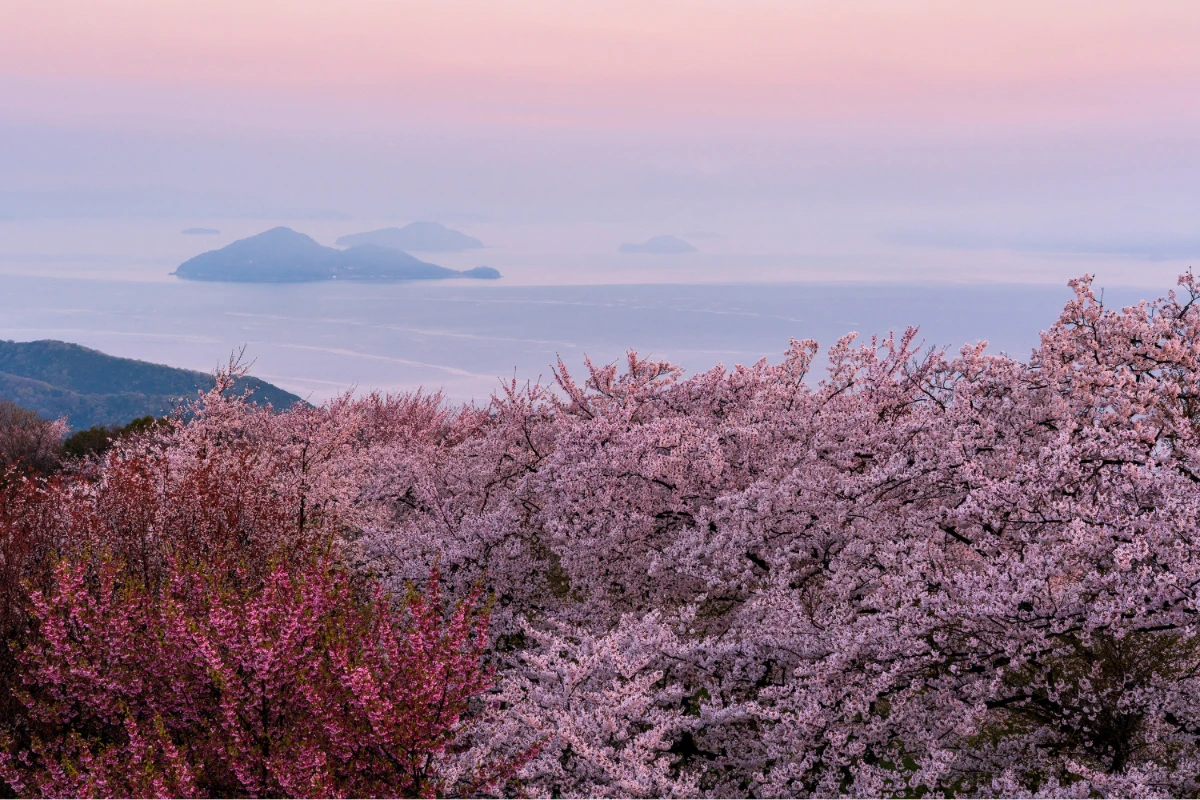
For the past decade, the Arakurayama Sengen park cherry blossom festival has taken place in the central Japanese city of Fujiyoshida – located at the foot of Mount Fuji.
In previous years, the weeks-long event has attracted more than 200,000 people.
However, the 2026 festival has been cancelled, with Fujiyoshida city officials citing overtourism as the reason.
“Behind [Mount Fuji’s] beautiful landscape is the reality that the quiet lives of citizens are threatened. We have a strong sense of crisis,” Shigeru Horiuchi, mayor of Fujiyoshida, said in a statement.
“To protect the dignity and living environment of our citizens, we have decided to bring the curtain down on the 10-year-old festival.”
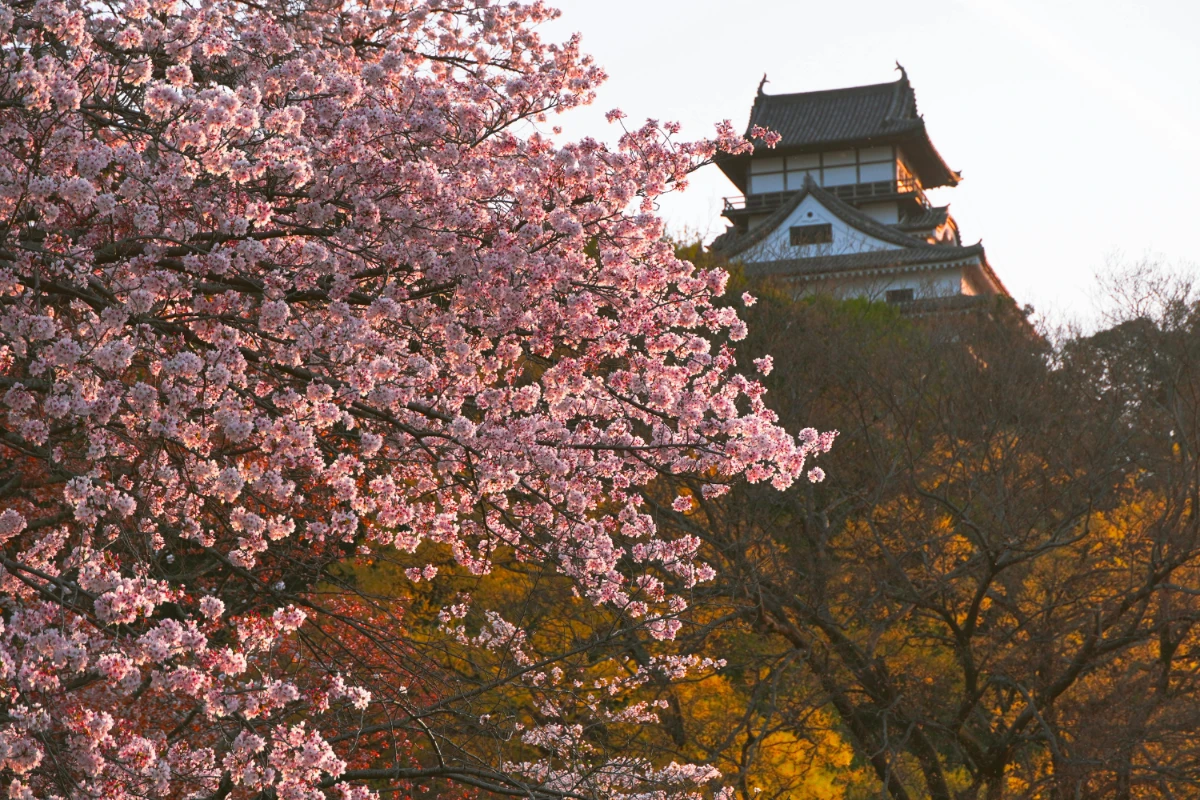
Cherry blossoms aren’t just pretty flowers in Japan – they carry profound cultural and spiritual meaning that’s been woven into the country’s identity for over a thousand years.
At their core, cherry blossoms symbolise the impermanent nature of life.
The delicate blooms reach their peak beauty for just one to two weeks before the petals drift to the ground like pink snow.
This fleeting quality is central to the Japanese aesthetic concept of “mono no aware” – an awareness of the impermanence of things and a gentle sadness at their passing.
Rather than being morbid, this philosophy encourages mindfulness and a deep appreciation for the present moment.
Cherry blossoms are also powerful symbols of renewal and new beginnings. Their arrival each spring coincides with the start of Japan’s fiscal and school year in April, making them a natural emblem of fresh starts, hope, and potential.
In Shinto tradition, the blossoms were believed to be dwelling places for mountain deities who would transform into gods of the rice paddies, making them sacred symbols of fertility and agricultural abundance.
Furthermore, historically and on a bittersweet note, cherry blossoms represented the samurai’s way of life: beautiful, vibrant, and tragically short.
The warriors lived by the code of “bushido”, embracing honour and courage whilst accepting the inevitability of death. Fallen cherry petals symbolised the end of a samurai’s life, noble and graceful even in its brevity.
Whether you see them as symbols of hope, impermanence, or simply as breathtakingly beautiful flowers, witnessing Japan’s cherry blossom season is a bucket-list experience; one you should cross off as soon as you can.
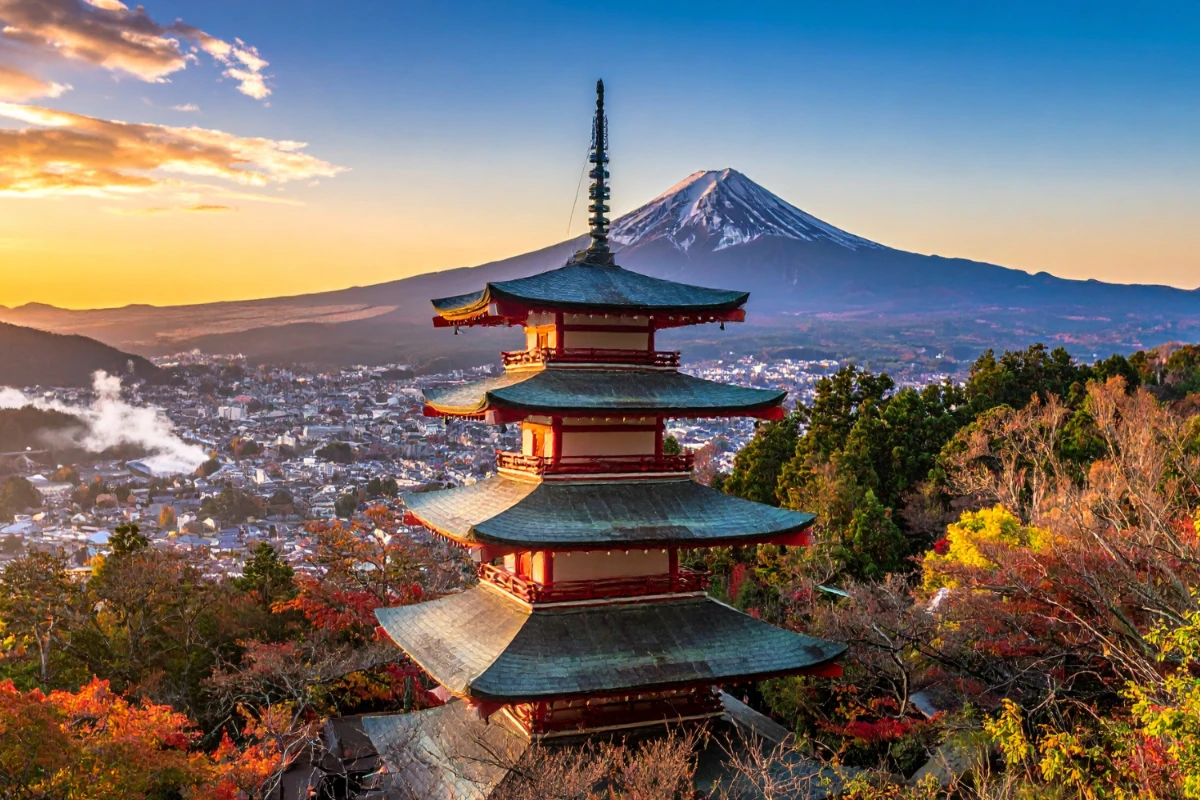 Want to know the One Thing you should do in Japan? We've got you covered!
 Scientists say Japan has the greatest snow climate on the planet; here are the must-visit resorts.


1Cover ® is a registered trademark of 1Cover Pty Ltd. 1Cover Pty Ltd ABN 91 105 954 265, is an authorised representative of Coffre-Fort Pty Limited ABN 66 125 358 518, AFS Licence No. 472457. 1Cover is located at Level 1, 332 Kent Street, Sydney NSW 2000. Before you buy, please read the Product Disclosure Statement and Target Market Determination. Any information contained on this website is general advice only and has been prepared without taking into account your objectives, financial situation or needs. You should consider these having regard to the Product Disclosure Statement (‘PDS’). Before you purchase, please note in particular, the eligibility criteria, travel warnings in place and limitations to claim under multiple policy sections.
This insurance is underwritten by HDI Global Specialty SE, a company registered in Germany acting through its Australian branch, HDI Global Specialty SE – Australia, ABN 58 129 395 544, AFSL 458776.



 AU
AU NZ
NZ