By Bec Milligan.

Travelling with kids can sometimes make a holiday feel stressful. But whether you’re heading off on a family road trip or flying overseas, a bit of planning goes a long way towards keeping everyone (parents included) sane.
Read on for thirteen practical tips guaranteed to make your next trip with little ones a breeze.
There’s no right answer here, but two windows do tend to work best. The first is early infancy, roughly three to six months old, before your baby is mobile. At this stage, they’re usually still happy to nap in a carrier or pram, and flights often cost next to nothing for a lap infant.
The second sweet spot is school age, somewhere between four and nine. Kids at this age can walk longer distances, follow instructions, and will actually remember the trip afterwards, which makes the whole experience more rewarding for everyone.
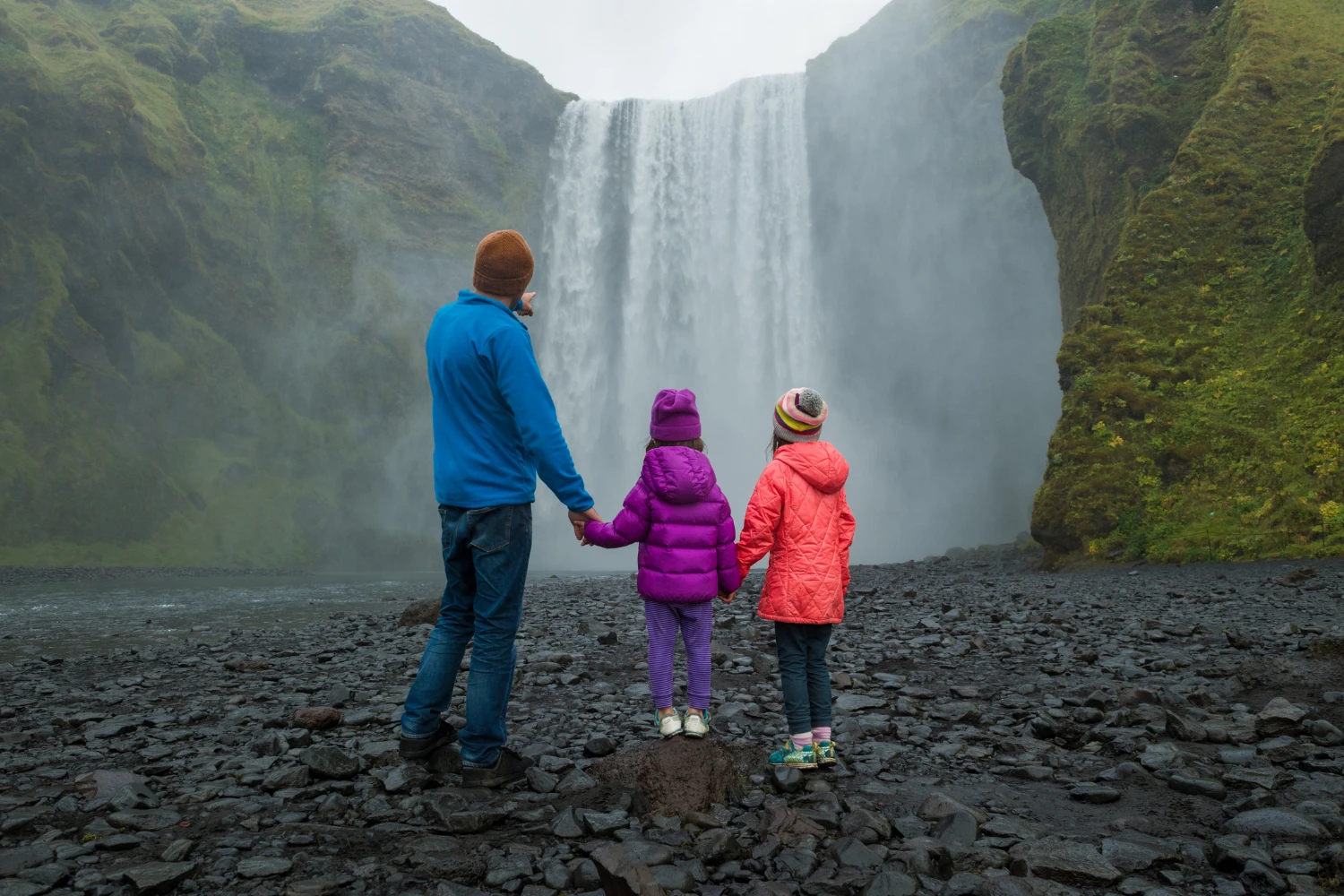
If you’re planning your first family holiday, either of these stages is a good place to start. But you really can travel with children of any age.
Most parents agree it’s the toddler years, roughly one to three years old. They’re mobile enough to run away (at breakneck speeds) in an airport but not old enough to reason with, and naps become a battle against whatever timezone or itinerary you’ve planned.
It’s not impossible to travel well during this stage, but it does take more patience and a looser schedule than travelling with a newborn or an older child.
No matter the age of your little ones, we’ve rounded up some hacks that’ll take the stress out of family travel.
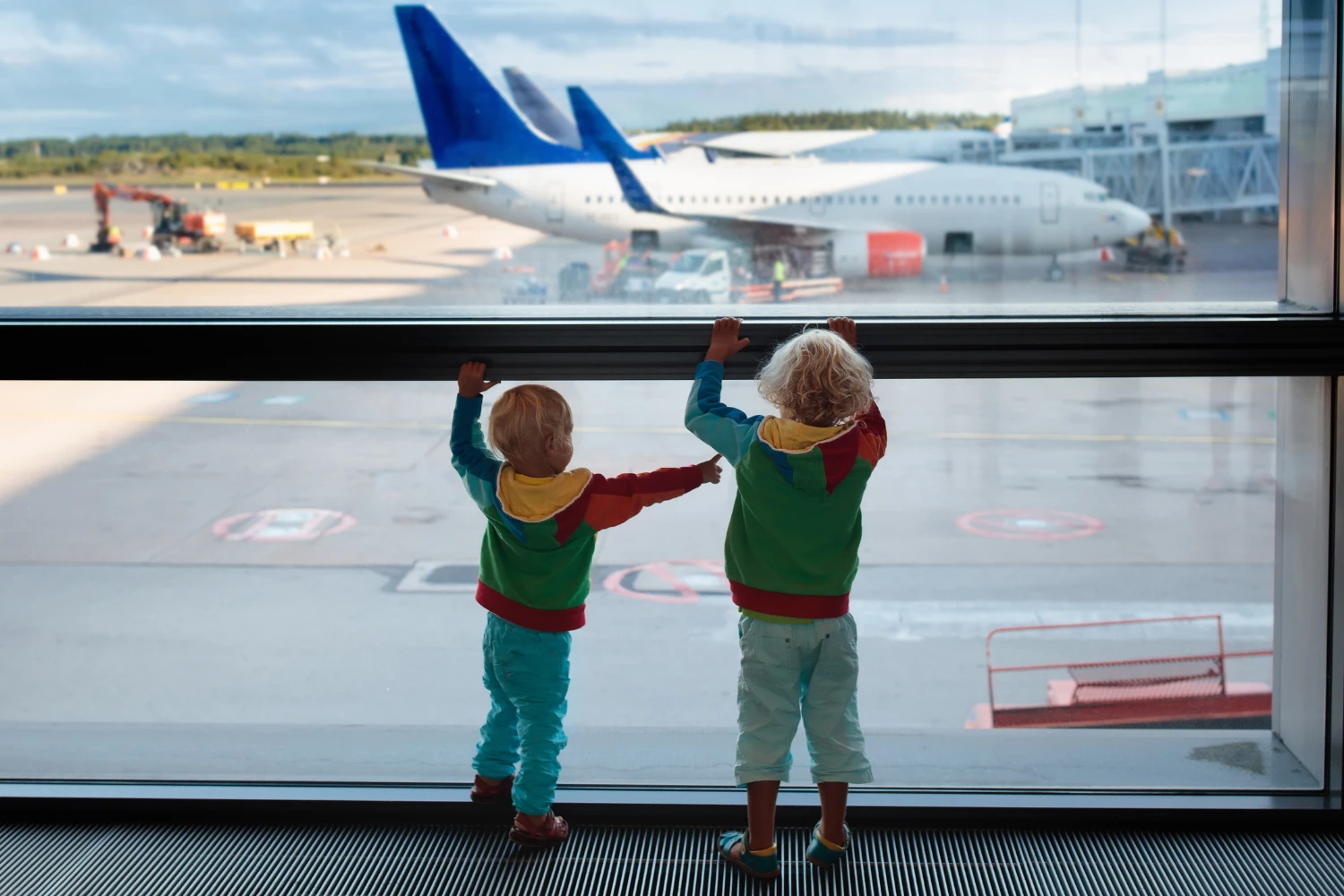
Fill a small bag with new (cheap) toys, colouring books, or stickers your kids haven’t seen before. This is key, since novelty will buy you far more quiet time than an old, favourite toy will.
Wifi on planes, trains, and in regional Australia can be patchy at best. Load up shows, podcasts, and games while you’ve still got a strong connection.
For instance, if you’ve got a baby or toddler, red-eye or early morning flights can line up nicely with their usual sleep window, which means less chance of a meltdown at 30,000 feet.
Spills happen but a spare outfit for each child (and honestly, one for you too) saves a lot of stress while out and about on holiday.
It may seem like overkill but trust us, grabbing “day three, child two” out of a mixed suitcase at 6am is far easier when everything’s already sorted.
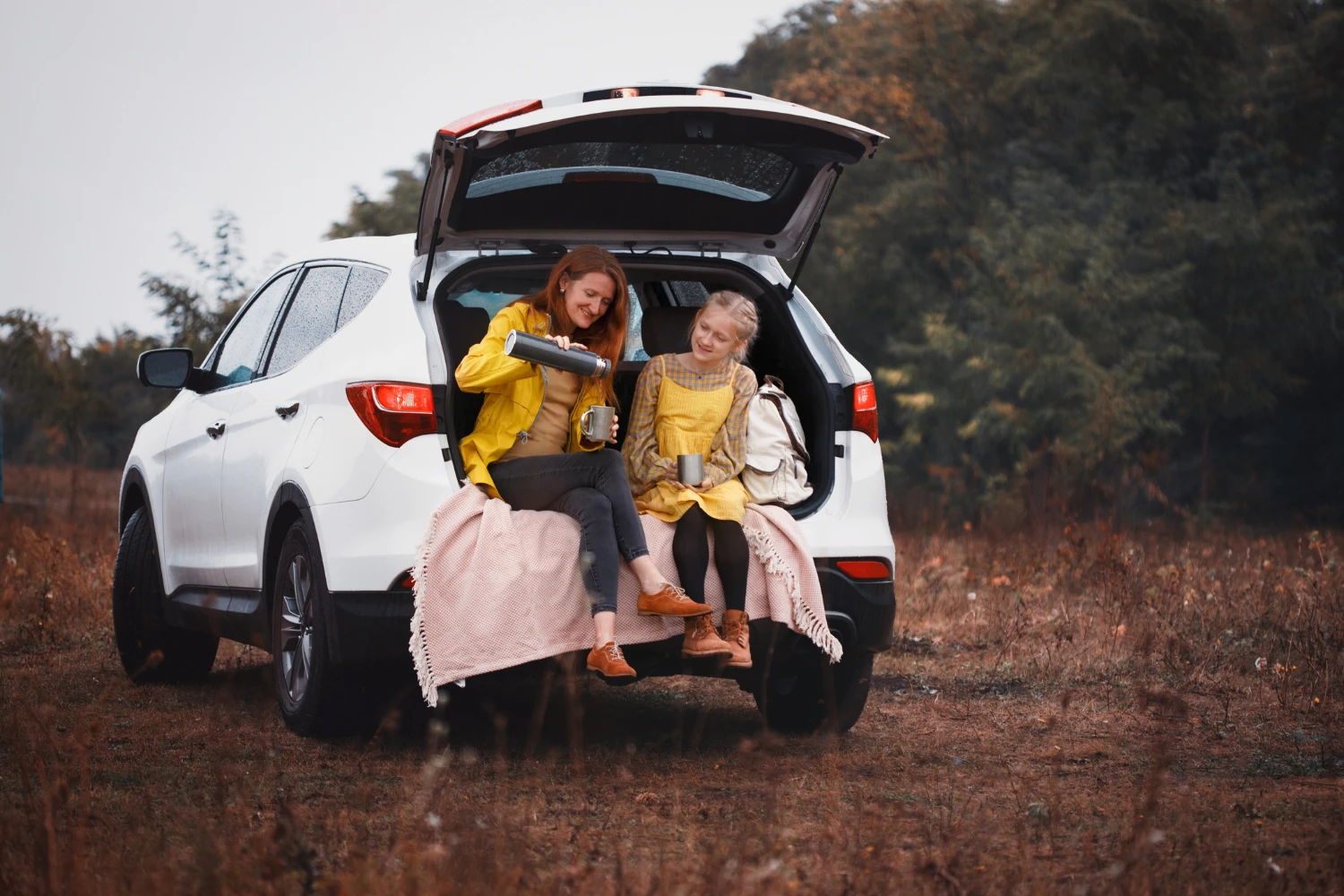
Yoghurt pouches, dried fruit, and crackers travel quite well and keep hunger-fuelled tantrums at bay between meals.
And do it well before you fly internationally. Some countries want proof of parental consent if a child is travelling with only one parent, or with a grandparent or other relative. It’s worth sorting a consent letter and having it ready, even if it’s not always asked for.
Processing times can blow out around school holiday periods, so get applications in months ahead rather than weeks.
A one-bedroom apartment or a room with a separate living area means you can put the kids to bed and still have a bit of a nice, relaxing evening to yourselves.
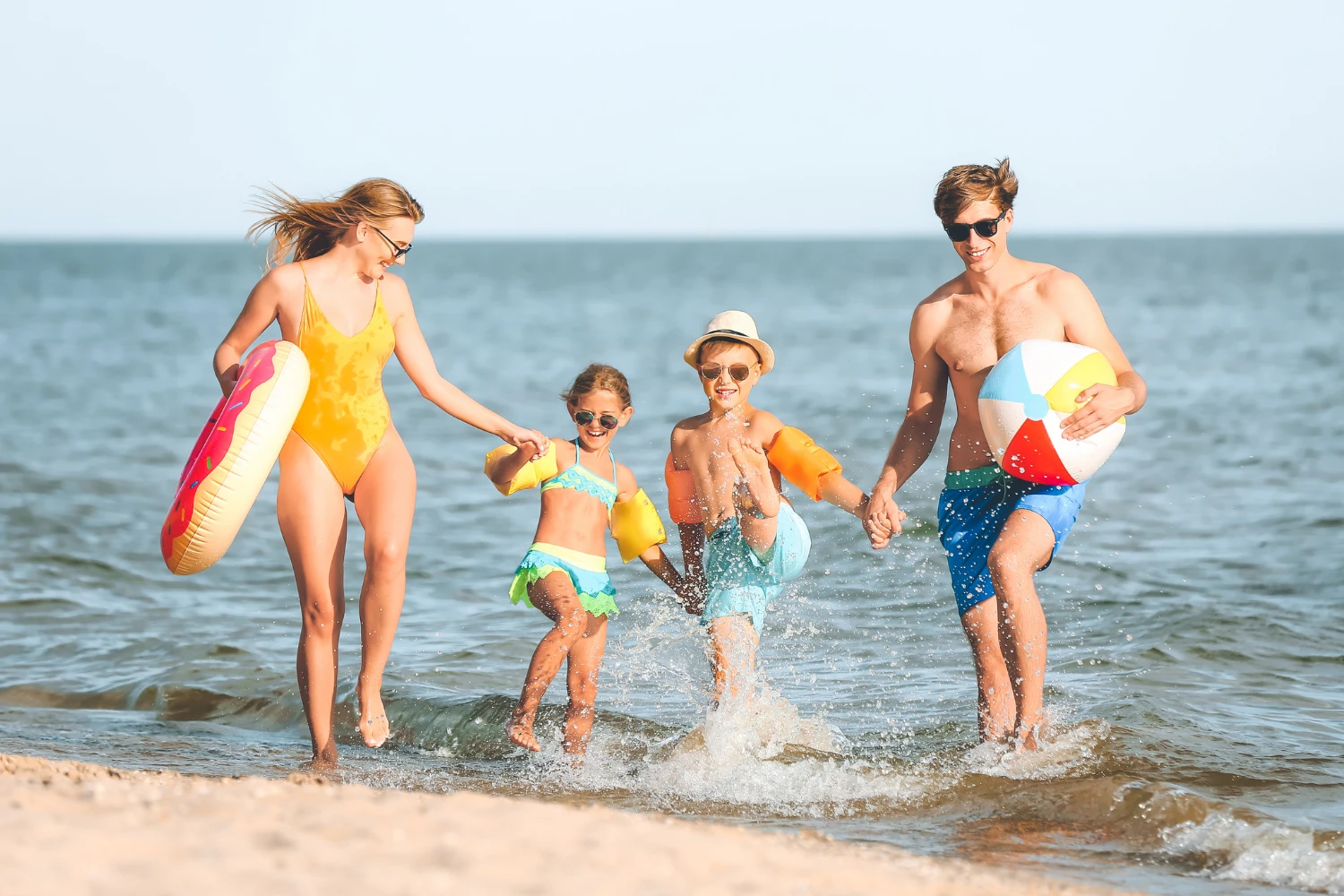
Trying to pack every day full of activities usually backfires, so leave room for a lazy morning or an afternoon by the pool.
Kids get sick, bags go missing, and flights get delayed. Having cover in place means a hiccup won’t turn into an expensive one. Get a quote now.
Kids’ pain relief, bandaids, and any regular medications are much easier to find at home than in an unfamiliar pharmacy overseas.
Letting them choose one activity or pick a restaurant gives them a sense of ownership over the trip, and tends to cut down on the “are we there yet” and the “I’m bored” complaints.
7 Tips For Flying With Kids
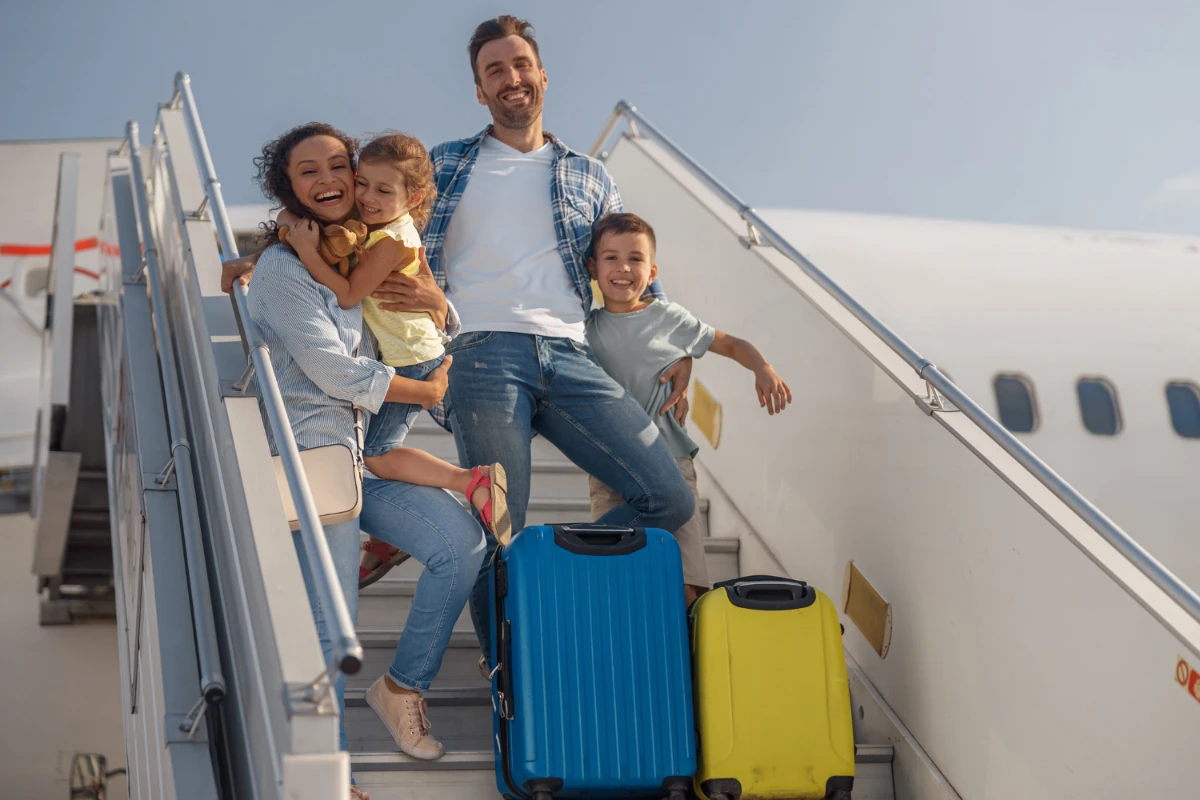 Taking your little ones on a plane? Here are our top tips to help ensure it's a smooth flight.
The Best Cruise Lines For Families
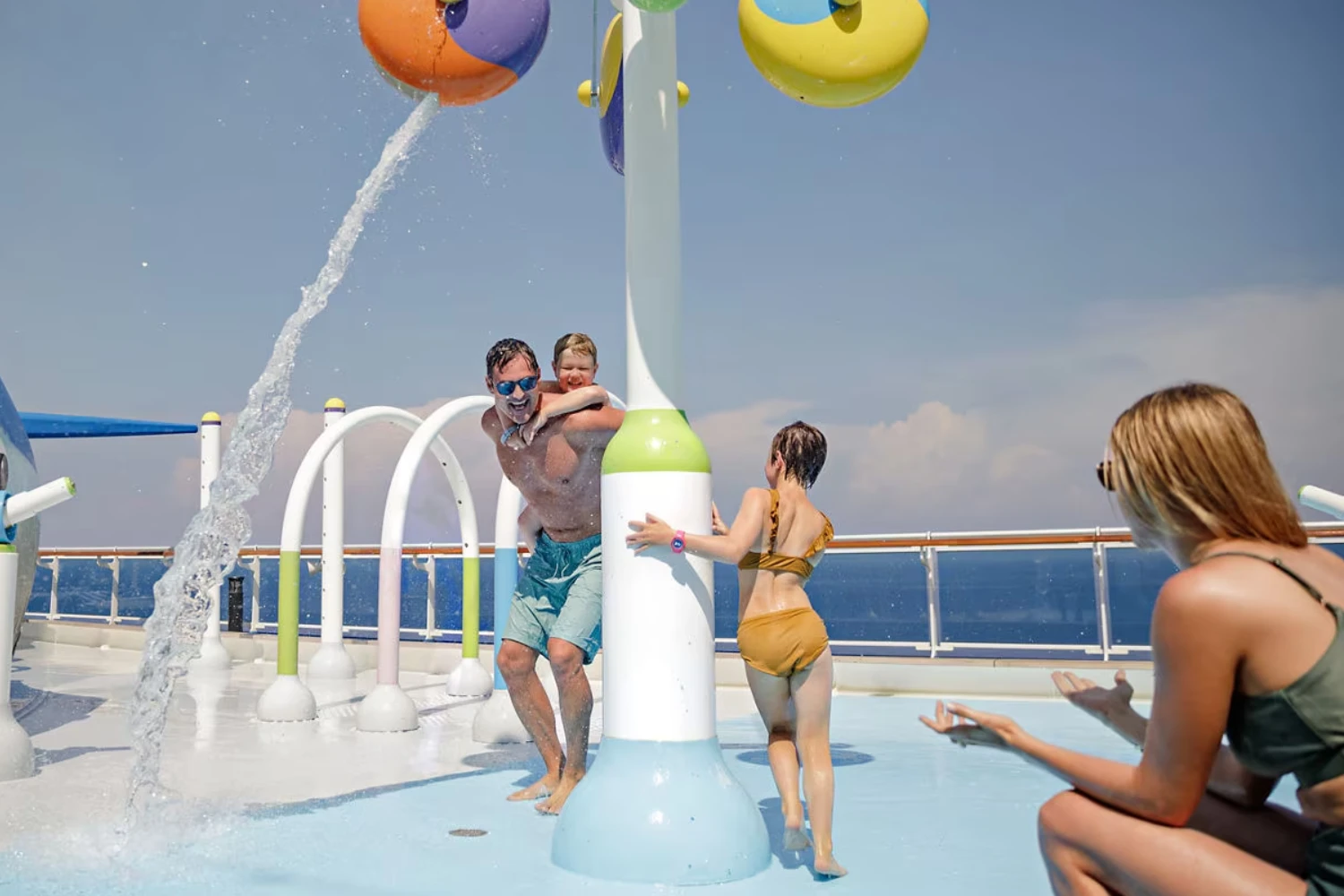 Cruises are something of a godsend for parents; these are the best cruise lines for babies, kids and teens.


1Cover ® is a registered trademark of 1Cover Pty Ltd. 1Cover Pty Ltd ABN 91 105 954 265, is an authorised representative of Coffre-Fort Pty Limited ABN 66 125 358 518, AFS Licence No. 472457. 1Cover is located at Level 1, 332 Kent Street, Sydney NSW 2000. Before you buy, please read the Product Disclosure Statement and Target Market Determination. Any information contained on this website is general advice only and has been prepared without taking into account your objectives, financial situation or needs. You should consider these having regard to the Product Disclosure Statement (‘PDS’). Before you purchase, please note in particular, the eligibility criteria, travel warnings in place and limitations to claim under multiple policy sections.
This insurance is underwritten by HDI Global Specialty SE, a company registered in Germany acting through its Australian branch, HDI Global Specialty SE – Australia, ABN 58 129 395 544, AFSL 458776.




 AU
 NZ